
NICU Full Form in Medical: Meaning, Functions, Treatment & Importance for Newborns
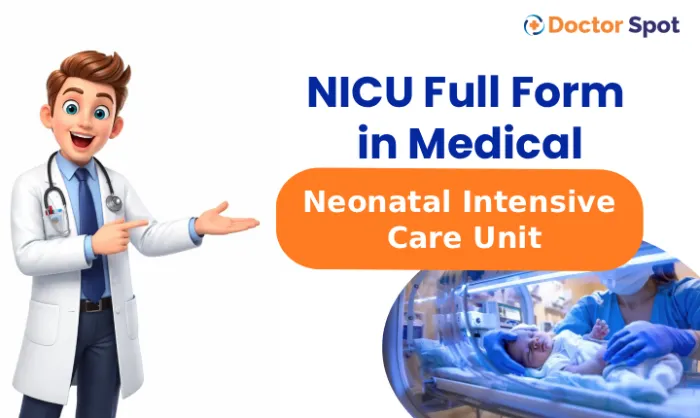
The NICU full form in medical is Neonatal Intensive Care Unit. It is a specialized hospital department designed to provide advanced medical care to newborn babies who are premature, critically ill, or require continuous monitoring after birth.
The NICU is staffed by highly trained healthcare professionals, including neonatologists, neonatal nurses, respiratory therapists, and pediatric specialists, who work together to ensure the best possible care for newborn infants.
What is a NICU?
A Neonatal Intensive Care Unit (NICU) is a dedicated healthcare facility equipped with advanced technology and specialized medical equipment to care for newborn babies facing health complications.
Babies admitted to the NICU may require assistance with breathing, feeding, body temperature regulation, infection management, or treatment for congenital conditions.
Why Are Babies Admitted to the NICU?
Several medical conditions may require a newborn to be admitted to the NICU.
1. Premature Birth
Babies born before 37 weeks of pregnancy often have underdeveloped organs and require specialized care.
2. Low Birth Weight
Infants weighing less than 2.5 kilograms may need additional monitoring and nutritional support.
3. Breathing Difficulties
Some newborns experience respiratory distress and require oxygen therapy or ventilator support.
4. Infections
Serious bacterial or viral infections can require intensive treatment and observation.
5. Birth Complications
Complications during delivery may affect a baby’s heart rate, oxygen supply, or overall health.
6. Congenital Disorders
Certain birth defects affecting the heart, lungs, digestive system, or nervous system may require immediate medical attention.
Who Works in the NICU?
The NICU team typically includes:
- Neonatologists
- Pediatricians
- Neonatal Nurses
- Respiratory Therapists
- Nutrition Specialists
- Pharmacists
- Pediatric Surgeons
- Physical and Occupational Therapists
These professionals collaborate to provide comprehensive care for newborn patients.
Equipment Commonly Found in a NICU
Modern NICUs utilize advanced medical equipment to support newborn care.
Incubators
Help maintain body temperature and protect infants from infections.
Ventilators
Assist babies who cannot breathe independently.
CPAP Machines
Provide continuous positive airway pressure to support breathing.
Cardiac Monitors
Track heart rate, oxygen levels, and respiratory function.
Feeding Tubes
Deliver nutrition to infants unable to feed normally.
Phototherapy Units
Treat newborn jaundice using specialized light therapy.
Levels of NICU Care
Hospitals often classify NICUs into different levels based on the complexity of care provided.
Level I – Basic Newborn Care
Provides routine care for healthy newborns.
Level II – Special Care Nursery
Manages moderately ill infants and premature babies.
Level III – Advanced Intensive Care
Offers comprehensive treatment for critically ill newborns.
Level IV – Highest Level NICU
Provides advanced surgical procedures and specialized treatments for complex neonatal conditions.
How Long Do Babies Stay in the NICU?
The length of stay depends on the baby’s condition.
Some infants remain in the NICU for a few days, while extremely premature babies may require several weeks or months of specialized care before they are healthy enough to go home.
Factors affecting NICU stay include:
- Birth weight
- Gestational age
- Respiratory health
- Feeding ability
- Overall medical condition
Benefits of NICU Care
NICUs play a vital role in improving newborn survival and long-term health outcomes.
Advanced Monitoring
Continuous observation helps detect complications early.
Specialized Treatment
Provides expert care for complex neonatal conditions.
Better Survival Rates
Modern NICUs have significantly improved outcomes for premature and critically ill infants.
Family Support
Many NICUs offer counseling, education, and emotional support for parents.
Difference Between NICU and PICU
| Feature | NICU | PICU |
|---|---|---|
| Full Form | Neonatal Intensive Care Unit | Pediatric Intensive Care Unit |
| Patients | Newborn babies | Children and adolescents |
| Age Group | Birth to 28 days | Infants to teenagers |
| Specialists | Neonatologists | Pediatric Intensivists |
| Purpose | Care for newborns | Care for critically ill children |
Frequently Asked Questions (FAQs)
What is the full form of NICU?
NICU stands for Neonatal Intensive Care Unit.
What does NICU do?
NICU provides specialized medical care for premature, low birth weight, and critically ill newborn babies.
Why are premature babies kept in NICU?
Premature babies often have underdeveloped organs and need assistance with breathing, feeding, and temperature regulation.
Is NICU only for premature babies?
No. Full-term babies with infections, breathing problems, congenital disorders, or birth complications may also require NICU care.
Can parents visit babies in NICU?
Most hospitals allow parents to visit and participate in their baby’s care according to hospital policies.
Conclusion
The NICU full form in medical is Neonatal Intensive Care Unit. It is a specialized hospital unit dedicated to caring for newborn babies who require advanced medical attention. From premature infants to babies with critical health conditions, the NICU provides life-saving treatment, continuous monitoring, and expert care that significantly improves survival and recovery outcomes.
Understanding the role of NICUs helps parents feel more informed and confident when their newborn requires specialized medical support.
Also Read: DRX Full Form in Medical
FMAS Full Form in Medical
MLT Full Form in Medical
BDPC Full Form in Medical Prescription