
Atorvastatin Tablet: Uses, Side Effects, Dosage, Precautions and More
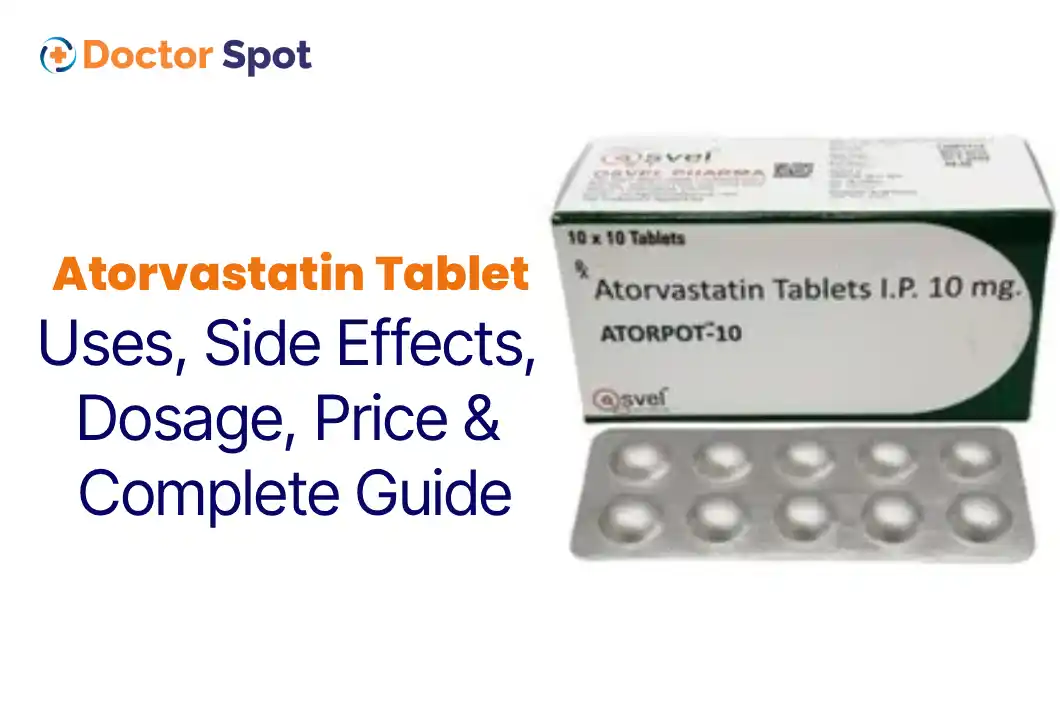
Atorvastatin is a widely prescribed medication used to lower cholesterol levels and reduce the risk of cardiovascular disease. As a member of the statin class of drugs, atorvastatin works by inhibiting an enzyme involved in cholesterol production in the liver. This comprehensive guide will explore the uses, side effects, dosage, precautions, and more regarding atorvastatin tablets.
Uses of Atorvastatin Tablets
- Lowering cholesterol: Atorvastatin is primarily used to reduce levels of low-density lipoprotein (LDL) cholesterol, often referred to as “bad” cholesterol. High levels of LDL cholesterol can lead to the build-up of plaque in arteries, increasing the risk of heart disease and stroke.
- Increasing Good Cholesterol: Atorvastatin also helps to raise levels of high-density lipoprotein (HDL) cholesterol, known as “good” cholesterol. HDL cholesterol helps remove LDL cholesterol from the bloodstream.
- Preventing Cardiovascular Disease: By lowering LDL cholesterol and triglycerides and raising HDL cholesterol, atorvastatin reduces the risk of heart attack, stroke, and other cardiovascular events in individuals with or at risk of heart disease.
- Treating Hyperlipidemia: Atorvastatin is effective in treating various forms of hyperlipidemia, including primary hypercholesterolemia, mixed dyslipidemia, and homozygous familial hypercholesterolemia.
- Managing Risk Factors: In patients with type 2 diabetes and other risk factors for cardiovascular disease, atorvastatin is used to manage these risks and improve overall cardiovascular health.
Side Effects of Atorvastatin Tablets
- Common Side Effects:
- Muscle Pain: One of the most frequently reported side effects of atorvastatin is muscle pain or weakness, which can range from mild discomfort to severe pain.
- Digestive Issues: Some patients may experience nausea, diarrhea, or constipation while taking atorvastatin.
- Headache: Headaches are another common side effect associated with atorvastatin use.
- Serious Side Effects:
- Liver Problems: Atorvastatin can cause liver enzyme abnormalities, and in rare cases, it may lead to liver damage. Symptoms of liver issues include jaundice, dark urine, and upper abdominal pain.
- Rhabdomyolysis: Although rare, atorvastatin can cause a serious condition called rhabdomyolysis, characterized by severe muscle pain, weakness, and dark urine. This condition requires immediate medical attention.
- Diabetes Risk: Statins, including atorvastatin, have been associated with an increased risk of developing type 2 diabetes, particularly in patients with existing risk factors.
- allergic reactions: In rare cases, atorvastatin can cause allergic reactions, including rash, itching, swelling, and difficulty breathing. Any signs of an allergic reaction should prompt immediate medical attention.
Dosage of Atorvastatin Tablets
- Starting Dose: The typical starting dose of atorvastatin is 10 to 20 mg once daily. However, for patients requiring significant LDL cholesterol reduction, the starting dose may be 40 mg daily.
- Dosage Range: The usual dosage range for atorvastatin is 10 to 80 mg once daily. The dose can be adjusted based on the patient’s response and cholesterol levels, with adjustments made at intervals of 2 to 4 weeks.
- Administration: Atorvastatin can be taken with or without food, but it should be taken at the same time each day to maintain an even level of the medication in the blood.
- Missed Dose: If a dose is missed, it should be taken as soon as remembered unless it is almost time for the next dose. In such cases, the missed dose should be skipped, and the regular dosing schedule resumed. Double dosing should be avoided.
Precautions and Warnings
- Liver Function Monitoring: Patients on atorvastatin should have their liver function tested before starting treatment and periodically thereafter. Elevated liver enzymes may require dose adjustment or discontinuation of the drug.
- Muscle Symptoms: Patients should report any unexplained muscle pain, tenderness, or weakness, especially if accompanied by fever or malaise. This is crucial to prevent the serious condition of rhabdomyolysis.
- Alcohol Consumption: Excessive alcohol consumption can increase the risk of liver damage while taking atorvastatin. Patients are advised to limit alcohol intake.
- Drug Interactions: Atorvastatin can interact with several other medications, including certain antibiotics, antifungal medications, and other cholesterol-lowering drugs. Patients should inform their healthcare provider of all medications they are taking to avoid potential interactions.
- Pregnancy and Breastfeeding: Atorvastatin is contraindicated during pregnancy and breastfeeding due to potential harm to the developing fetus and nursing infant. Women of childbearing age should use effective contraception while taking atorvastatin.
- Kidney Function: Patients with severe kidney impairment should use atorvastatin with caution, as they may be at increased risk of developing muscle-related side effects.
Lifestyle and Dietary Considerations
- Diet: A heart-healthy diet is essential while taking atorvastatin. Patients should focus on consuming fruits, vegetables, whole grains, lean proteins, and healthy fats while avoiding saturated and trans fats, refined sugars, and excessive sodium.
- Exercise: Regular physical activity is crucial in managing cholesterol levels and overall cardiovascular health. Patients should aim for at least 150 minutes of moderate-intensity exercise each week.
- Weight Management: Maintaining a healthy weight can enhance the effectiveness of atorvastatin and reduce the risk of cardiovascular disease.
- Smoking Cessation: Smoking is a significant risk factor for cardiovascular disease. Quitting smoking can greatly improve heart health and the efficacy of atorvastatin treatment.
Faqs
1) What is Atorvastatin Tablet used for?
Answer: Atorvastatin Tablet is a cholesterol-lowering medicine from the statin class. It’s used to reduce high levels of LDL (“bad”) cholesterol and triglycerides, and to help prevent heart attacks, strokes, and other heart-related problems in people with risk factors like diabetes, high blood pressure, or a family history of heart disease.
2) How does Atorvastatin Tablet work?
Answer: It works by blocking an enzyme in the liver (HMG-CoA reductase) that’s involved in making cholesterol. This lowers LDL cholesterol and may modestly increase HDL (“good”) cholesterol levels.
3) When should Atorvastatin Tablet be taken?
Answer: Atorvastatin is usually taken once daily, with or without food. Your doctor will tell you the best time of day and dose based on your health needs. For many people, taking it in the evening can be effective since the body makes more cholesterol at night.
4) What are common side effects of Atorvastatin Tablet?
Answer: Common side effects may include muscle pain, headache, nausea, diarrhea, or mild digestive discomfort. Most people tolerate it well, but report any persistent symptoms to your doctor.
5) Do I need regular tests while taking Atorvastatin Tablet?
Answer: Yes — your doctor may recommend blood tests to check your liver function and cholesterol levels periodically to ensure the medication is working well and to monitor for side effects.
Conclusion
Atorvastatin is a potent statin medication that plays a critical role in managing cholesterol levels and reducing the risk of cardiovascular disease. While generally well-tolerated, it is essential for patients to be aware of potential side effects, dosage guidelines, and necessary precautions. By adhering to a heart-healthy lifestyle and working closely with their healthcare provider, patients can effectively manage their cholesterol levels and improve their overall cardiovascular health.
Disclaimer:
All information and content on this site are provided for informational and educational purposes only. They are not a substitute for professional medical advice, diagnosis, or treatment. Always seek the guidance of a qualified healthcare professional for any health-related concerns or conditions.
Also read: Naproxen Tablet: Uses, Side Effects, Dosage, Precautions and More