
PMP Full Form in Medical
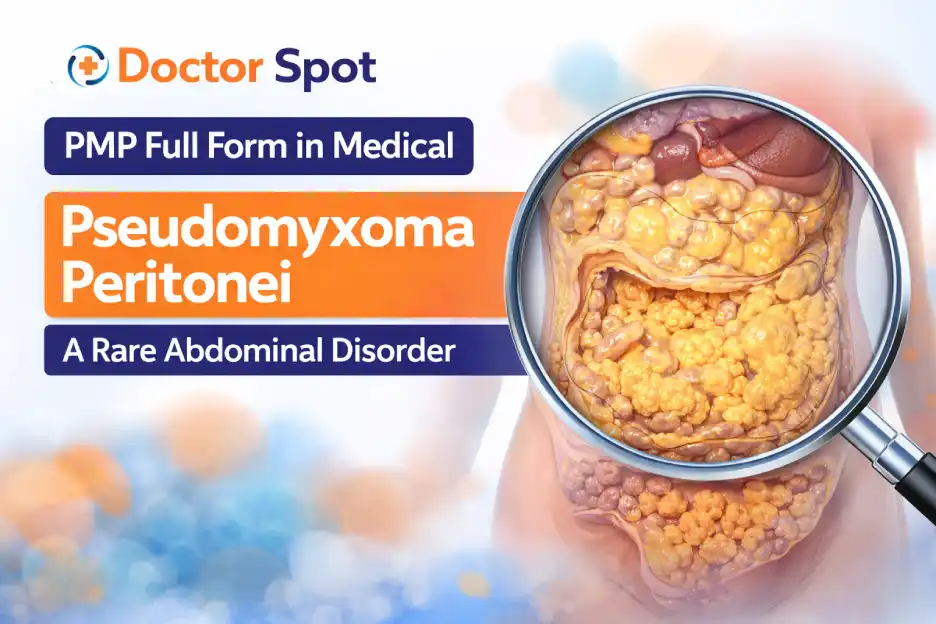
Medical abbreviations can sometimes represent rare but serious conditions. One such term is PMP, which stands for Pseudomyxoma Peritonei—a rare disorder that affects the abdominal cavity.
In this SEO-optimized blog post, we will explain the PMP full form in medical, its causes, symptoms, diagnosis, treatment, and prognosis.
PMP Full Form in Medical
PMP = Pseudomyxoma Peritonei
Pseudomyxoma Peritonei is a rare condition characterized by the accumulation of mucin (a jelly-like substance) in the abdominal cavity.
What is Pseudomyxoma Peritonei?
PMP is a slow-growing disease often referred to as “jelly belly” due to the buildup of mucinous material in the abdomen.
It usually originates from tumors in the appendix and spreads within the peritoneal cavity.
Causes of PMP
The most common cause of PMP is:
- Appendiceal tumors (mucin-producing tumors of the appendix)
Less commonly, it may arise from:
- Ovarian tumors
- Colorectal tumors
Symptoms of Pseudomyxoma Peritonei
Symptoms often develop gradually and may include:
- Abdominal swelling or bloating
- Increased abdominal girth
- Abdominal pain or discomfort
- Loss of appetite
- Changes in bowel habits
In advanced cases, patients may experience severe digestive issues.
Diagnosis of PMP
Diagnosing PMP can be challenging due to its slow progression.
Common Diagnostic Methods:
- CT scan of the abdomen
- MRI imaging
- Tumor markers (CEA, CA-125)
- Biopsy for confirmation
Early diagnosis is crucial for better outcomes.
Treatment Options for PMP
Treatment of PMP typically involves a combination of surgery and chemotherapy.
1. Cytoreductive Surgery (CRS)
- Removal of visible tumors from the abdomen
2. HIPEC (Hyperthermic Intraperitoneal Chemotherapy)
- Heated chemotherapy delivered directly into the abdominal cavity
These treatments aim to remove tumor cells and prevent recurrence.
Prognosis and Survival Rate
The prognosis of PMP depends on:
- Stage of the disease
- Tumor grade
- Success of surgical treatment
With advanced treatments like CRS + HIPEC, survival rates have improved significantly.
Complications of PMP
If untreated, PMP can lead to:
- Intestinal obstruction
- Malnutrition
- Organ compression
Timely medical intervention is essential.
Prevention and Risk Factors
There are no specific prevention methods for PMP, but early detection of appendiceal tumors may reduce risk.
Risk Factors:
- Mucinous tumors of the appendix
- Certain gastrointestinal tumors
Importance of Awareness
Since PMP is a rare condition, awareness is crucial for:
- Early diagnosis
- Timely treatment
- Improved survival outcomes
FAQs About PMP in Medical
1. What is the full form of PMP in medical?
PMP stands for Pseudomyxoma Peritonei, a rare abdominal condition.
2. Is PMP cancer?
It is considered a rare type of cancer-like condition, often originating from the appendix.
3. What causes PMP?
It is mainly caused by mucin-producing tumors of the appendix.
4. Can PMP be cured?
Treatment with surgery and HIPEC can significantly improve outcomes and may lead to long-term control.
5. What are the early signs of PMP?
Early signs include abdominal bloating and increased abdominal size.
Conclusion
The **PMP full form in medical—Pseudomyxoma Peritonei—**refers to a rare but serious abdominal condition characterized by mucin buildup. Although uncommon, early diagnosis and advanced treatments like CRS and HIPEC have greatly improved patient outcomes.
Understanding PMP is essential for timely medical care and better management of this condition.
Also read: FCGP Full Form in Medical