
Best Chemical Peel Treatment in Hyderabad: Benefits, Types, Cost, Procedure & Aftercare
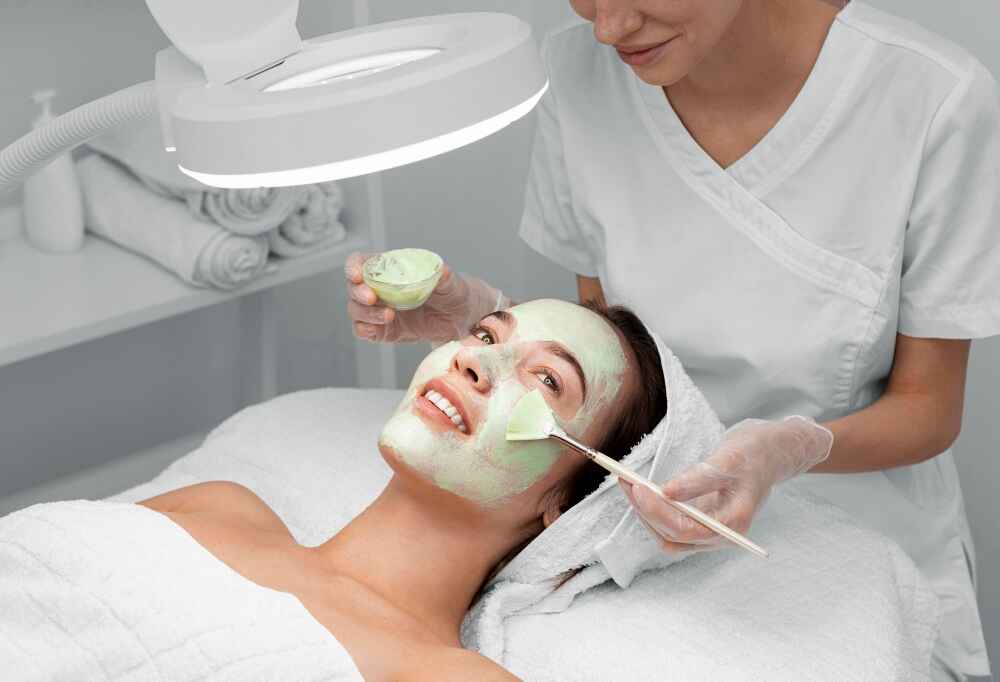
Chemical peels are a popular cosmetic skin treatment used to improve skin texture, reduce pigmentation, manage acne marks, and give the skin a smoother and brighter appearance. If you are searching for the best chemical peel treatment in Hyderabad, it is important to understand the different types of peels, their benefits, possible side effects, treatment cost, and how to choose a qualified skin specialist.
This guide explains chemical peel treatment in Hyderabad in simple words.
What Is a Chemical Peel?
A chemical peel is a skin treatment in which a specially selected chemical solution is applied to the skin. It removes or loosens damaged outer layers of skin and encourages new skin to develop.
Depending on the type and strength of the peel, it may be used on the face, neck, hands, or other areas.
Chemical peels can help with:
- Acne and acne marks
- Uneven skin tone
- Hyperpigmentation
- Sun damage
- Fine lines
- Dull-looking skin
- Rough skin texture
- Certain types of superficial scars
The right peel depends on your skin type, concern, and medical history.
Why Choose Chemical Peel Treatment in Hyderabad?
Hyderabad has many dermatology clinics and aesthetic skin centres offering different types of chemical peels. A qualified dermatologist can examine your skin and recommend an appropriate treatment rather than using the same peel for everyone.
A professional consultation is particularly important if you have sensitive skin, active skin problems, or a history of pigmentation after skin treatments.
Types of Chemical Peels
There are several types of chemical peels. They are generally classified according to how deeply they affect the skin.
1. Superficial Chemical Peel
A superficial peel works mainly on the outermost layer of the skin. It is commonly used to improve mild pigmentation, dullness, uneven texture, and some acne-related concerns.
These peels usually have less downtime than deeper peels.
2. Medium-Depth Chemical Peel
A medium-depth peel works deeper than a superficial peel. Dermatologists may recommend it for certain pigmentation problems, sun damage, fine lines, or other skin concerns.
Recovery can take longer than with a superficial peel.
3. Deep Chemical Peel
Deep peels affect deeper layers of the skin and require more careful medical supervision. They are not suitable for everyone and can involve significant recovery time.
A dermatologist should determine whether this type of treatment is appropriate.
Common Ingredients Used in Chemical Peels
Different chemical peel solutions are selected according to the patient’s skin and treatment goals.
Some commonly used ingredients include:
- Glycolic acid
- Salicylic acid
- Lactic acid
- Mandelic acid
- Trichloroacetic acid (TCA)
Each ingredient has different properties. For example, salicylic acid is often used for oily and acne-prone skin, while other acids may be selected for pigmentation or skin texture.
The strength and concentration should be determined by a trained professional.
Benefits of Chemical Peel Treatment
Chemical peels may provide several skin benefits when properly selected and performed.
Helps Improve Skin Texture
A peel can remove damaged surface skin and may make the skin feel smoother.
May Reduce Acne
Certain superficial peels can help manage clogged pores and oily skin and may be included in an acne treatment plan.
Helps With Pigmentation
Some chemical peels are used to improve the appearance of uneven pigmentation and dark spots.
However, pigmentation can sometimes become darker after an inappropriate peel, particularly in darker skin types. Professional assessment is therefore important.
Improves Dull Skin
Removing damaged surface cells can make the skin appear fresher and brighter.
May Reduce Fine Lines
Some peels can improve the appearance of mild fine lines and sun-related skin changes.
Can Improve Acne Marks
Chemical peels may help improve certain superficial acne marks and uneven skin tone. Deeper acne scars may require other treatments.
Chemical Peel Procedure
The exact procedure depends on the peel selected.
Generally, the process involves:
Step 1: Skin Consultation
The dermatologist examines your skin and discusses your concerns, previous treatments, medications, allergies, and skincare routine.
Step 2: Skin Preparation
Your skin is cleaned before treatment. In some cases, the dermatologist may recommend preparation for several days or weeks before the peel.
Step 3: Application
The selected chemical solution is carefully applied to the treatment area.
You may experience mild tingling, warmth, or stinging depending on the peel.
Step 4: Removal or Neutralization
Depending on the type of peel, the solution may be removed or neutralized after the recommended period.
Step 5: Post-Treatment Care
A suitable moisturizer and sunscreen are generally recommended. Your dermatologist may provide additional instructions.
How Many Chemical Peel Sessions Are Needed?
The number of sessions varies from person to person.
Some people may notice improvement after one treatment, while others may require a series of treatments. The interval between sessions depends on the type of peel and your skin’s recovery.
Do not repeat chemical peels too frequently without professional advice.
Chemical Peel Aftercare
Aftercare is an important part of the treatment.
Follow your dermatologist’s instructions and consider these general precautions:
- Apply sunscreen regularly.
- Avoid unnecessary sun exposure.
- Keep the skin moisturized.
- Do not pick or peel flaky skin.
- Avoid harsh scrubs.
- Avoid using strong active skincare products unless your dermatologist approves them.
- Avoid waxing or other irritating treatments on the treated area until your skin has recovered.
Your skin may become temporarily red, dry, sensitive, or flaky depending on the type of peel.
Chemical Peel Side Effects
Chemical peels can cause temporary side effects. These may include:
- Redness
- Dryness
- Mild burning or stinging
- Peeling
- Skin sensitivity
- Temporary swelling
In some cases, chemical peels can cause changes in skin pigmentation, especially when the wrong product or strength is used.
Rarely, more serious complications such as burns, infection, or scarring can occur.
For this reason, chemical peels should be performed by appropriately trained medical professionals.
Who Should Avoid Chemical Peels?
Chemical peels are not suitable for everyone.
Your dermatologist may advise against treatment or recommend postponing it if you have certain active skin infections, significant skin irritation, or other conditions that could increase the risk of complications.
Tell your dermatologist if you:
- Have very sensitive skin
- Are using prescription acne medicines
- Have recently undergone another cosmetic treatment
- Have a history of abnormal scarring
- Frequently develop pigmentation after skin injuries
- Have active skin infections or sores
Pregnancy and breastfeeding may also affect which treatments are appropriate, so discuss these circumstances with your healthcare professional.
Chemical Peel Cost in Hyderabad
The chemical peel cost in Hyderabad varies depending on several factors.
The price may depend on:
- Type of chemical peel
- Strength and concentration
- Treatment area
- Number of sessions
- Dermatologist’s experience
- Clinic location
- Products and equipment used
- Whether additional treatments are required
Superficial peels generally cost less than deeper or specialized treatments.
Instead of choosing a clinic based only on the lowest price, consider the qualifications of the person performing the treatment, the type of peel being used, and whether you receive a proper skin assessment.
How to Choose the Best Chemical Peel Treatment in Hyderabad
If you are looking for the best chemical peel treatment in Hyderabad, consider the following factors:
Choose a Qualified Dermatologist
Look for a qualified dermatologist or appropriately trained medical professional experienced in chemical peel procedures.
Ask Which Peel Is Being Used
Do not simply ask for a “chemical peel.” Ask what type of peel is recommended and why it is suitable for your skin.
Discuss Your Skin Type
Indian skin can be more prone to pigmentation after irritation. A personalized treatment plan is therefore important.
Ask About Downtime
Understand how long redness, dryness, or peeling may last before scheduling an important event.
Check Hygiene and Safety
The clinic should follow appropriate hygiene and treatment protocols.
Avoid Unrealistic Promises
Be cautious of clinics promising permanent results or claiming that one treatment can solve every skin problem.
Chemical Peel vs Facial
A regular facial mainly focuses on cleansing, moisturizing, and improving the temporary appearance of the skin.
A chemical peel is a medical or cosmetic procedure involving a chemical solution that intentionally affects the skin’s surface layers.
They are different treatments and should not be considered interchangeable.
Chemical Peel vs Laser Treatment
Chemical peels and laser treatments work differently.
Chemical peels use chemical solutions to remove or alter selected layers of skin. Laser treatments use controlled light energy to target specific skin structures.
The right option depends on your concern, skin type, medical history, and treatment goals. A dermatologist can explain which approach is appropriate.
Frequently Asked Questions
Is chemical peel treatment safe?
Chemical peels can be safe when the appropriate peel is selected and the procedure is performed correctly. However, every treatment has potential risks.
Does a chemical peel hurt?
You may feel mild stinging, warmth, or burning during some peels. The level of discomfort depends on the type and strength of the peel.
How long does a chemical peel take?
Many superficial chemical peel treatments can be completed relatively quickly, but the exact treatment time depends on the type of peel and the treatment area.
Can chemical peels remove acne scars?
Chemical peels may improve some superficial acne marks and certain types of scars. Deeper acne scars often need other procedures or a combination of treatments.
Can chemical peels remove pigmentation permanently?
Chemical peels can improve some types of pigmentation, but pigmentation can return depending on sun exposure, hormones, skin conditions, and other factors.
Can I go outside after a chemical peel?
You should follow your dermatologist’s instructions regarding sun exposure. Protecting treated skin from sunlight and using sunscreen is particularly important after a peel.
Final Thoughts
Chemical peel treatment can be useful for improving pigmentation, acne, uneven skin tone, dullness, and skin texture when the treatment is properly selected for the individual.
If you are searching for the best chemical peel treatment in Hyderabad, focus on professional skin assessment, qualified treatment providers, appropriate peel selection, safety, and aftercare rather than price alone.
A consultation with a qualified dermatologist is the best way to determine whether a chemical peel is suitable for your skin and which type may be appropriate.
Also read: The Beauty Benefits of Chemical Peels