Can Neck Massagers Help Relieve Neck and Shoulder Tension
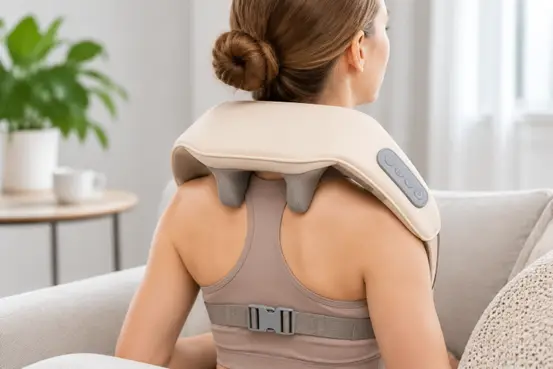
Neck massagers can help relieve the muscle tension, soreness, and stiffness caused by everyday postural strain. However, they are designed for relaxation and comfort, not for treating cervical spine disorders.
Whether you’re working at a desk, scrolling through your phone, or staying in the same position for hours, neck and shoulder discomfort can easily become part of your daily routine. Many people turn to neck massagers for convenient relaxation at home or during breaks.
But how much relief can these devices actually provide? Let’s explore how neck massagers work, which types are worth considering, their limitations, and how to use them safely.
Do Neck Massagers Really Relieve Neck and Shoulder Tension?
Neck massagers may help ease everyday muscle tightness by encouraging relaxation and stimulating local circulation. Their effectiveness depends on the cause of the discomfort, the massage technique, and how the device is used.
What Causes Neck and Shoulder Tension?
Neck and shoulder tension often develops from prolonged static postures and repetitive muscle strain.
When you spend hours looking down at your phone or leaning toward a computer screen, muscles such as the upper trapezius and levator scapulae remain under continuous tension. Over time, this sustained muscle activity can contribute to reduced local circulation, muscle fatigue, stiffness, and aching.
Cold temperatures, emotional stress, and poor sleeping positions may also make these symptoms worse.
This type of discomfort is often associated with functional muscle tension rather than an underlying structural problem. It’s also where neck massagers may provide the most noticeable temporary relief.
How Do Neck Massagers Relax Tight Muscles?
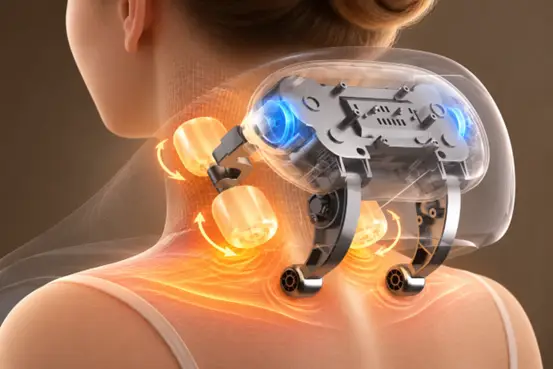
Different neck massagers use different physical techniques to encourage muscle relaxation.
Mechanical kneading uses rotating massage nodes to imitate the pressing and kneading movements of human hands. This can help loosen areas that feel tight or knotted.
Air compression uses inflatable chambers that expand and release rhythmically, applying gentle pressure to surrounding muscles.
Heat therapy provides warmth that can increase superficial blood flow and make tense muscles feel more comfortable.
Electrical Muscle Stimulation (EMS) uses low-level electrical pulses to stimulate muscle contractions and relaxation.
Although these methods work differently, they share a similar goal: reducing the sensation of muscle tightness and improving everyday comfort.
What Types of Discomfort Can Neck Massagers Help With?
Neck massagers are best suited for everyday muscle fatigue, tightness, and stiffness rather than pain caused by underlying cervical spine conditions.
You may find them helpful when your shoulders feel heavy after work, your neck becomes stiff after a long drive, or your upper back feels tense after maintaining the same posture for too long.
For example, Starbright neck-and-shoulder kneading massagers combine extended-travel massage heads with temperature-controlled heating to support relaxation around the upper trapezius muscles.These features are intended to improve comfort and relaxation, not to diagnose or treat medical conditions.
Which Types of Neck Massagers Are Best for Muscle Relaxation?
Not all neck massagers deliver the same experience. The right choice depends on your preferred massage intensity, physical sensitivity, and where you plan to use the device.
Here’s how the four common designs compare:
| Massager Type | Main Features | Best For | Limitations |
| Shiatsu Kneading | Rotating nodes simulate deep kneading movements | Users who prefer firm massage pressure | Bulkier and less portable |
| EMS Pulse | Electrical pulses stimulate muscle contractions | Users seeking a lightweight, discreet design | Tingling sensations may feel uncomfortable |
| Air Compression | Inflatable chambers apply rhythmic pressure | Users who prefer gentle, even pressure | Limited deep-kneading sensation |
| Vibration | Vibrating motors provide surface-level stimulation | Mild tension and everyday relaxation | Less suitable for persistent, deeper tightness |
When Should You Choose a Shiatsu Neck Massager?
Shiatsu neck massagers are designed to provide a stronger kneading sensation, making them appealing to users who prefer firm pressure around the shoulders and upper back.
They’re particularly convenient for relaxation at home or while seated in a parked vehicle.
A short 15-minute session may help ease the sensation of tightness in larger muscles, including the upper trapezius.
When comparing models, pay attention to massage head movement, the amount of pressure they can deliver, and whether the kneading direction can be reversed.
What Makes EMS Neck Massagers Different?
EMS neck massagers are generally lightweight, compact, and easy to carry.
Unlike mechanical massagers, they use electrical pulses rather than rotating massage heads. This makes them a practical option for people who want a less bulky device.
However, EMS produces a distinctive tingling or muscle-contracting sensation that some users may find uncomfortable.
Look for models with gradual intensity adjustments, and avoid starting at high settings.
People with pacemakers or other implanted electronic devices should not use EMS neck massagers unless specifically cleared by their healthcare professional. EMS should also not be applied over damaged skin.
Who Might Prefer an Air Compression Neck Massager?
Air compression massagers offer a gentler experience without the concentrated pressure of hard massage nodes.
They may appeal to older adults and people who are sensitive to stronger massage techniques, provided the device is appropriate for their health circumstances.
Their main limitation is that they don’t provide the same deep-kneading sensation as mechanical Shiatsu models.
For users seeking light, everyday relaxation rather than firm pressure, this may be a reasonable trade-off.
What Are the Limitations of Neck Massagers?
Although neck massagers can be useful relaxation tools, they have clear limitations. They cannot replace medical treatment, and improper use may cause additional discomfort.
Neck Massagers Cannot Replace Medical Treatment
Muscle soreness and cervical spine disorders are not the same thing.
Conditions such as cervical disc herniation and spinal stenosis involve underlying structural problems that a consumer neck massager cannot correct.
In some cases, excessive pressure or improper massage techniques may aggravate existing symptoms.
If you have a diagnosed cervical spine condition, consult a qualified healthcare professional before using a neck massager.
When Should You Avoid Using a Neck Massager?
Certain conditions require extra caution or professional medical advice before using massage equipment.
Avoid using a neck massager over an acute injury, swollen or inflamed area, broken skin, or a suspected tumor.
People with severe osteoporosis, implanted electronic devices, or pregnancy-related health concerns should seek medical guidance before use, particularly when considering devices with electrical stimulation.
If your neck pain spreads into your arms or is accompanied by numbness, weakness, or dizziness, seek medical evaluation rather than relying on massage for relief.
Can Too Much Massage Make Neck Pain Worse?
Yes. More pressure doesn’t necessarily mean better results.
Using a massager at maximum intensity for extended periods may irritate muscles and leave the treated area feeling more sore afterward.
Another common mistake is falling asleep while a massager continues applying pressure to the same area.
The goal should be comfortable relaxation, not forcing your muscles to tolerate pain.
How Do You Choose the Right Neck Massager?
A good neck massager should balance massage performance, everyday convenience, and safety.
Massage Head Design, Intensity, and Heat
If you prefer deeper kneading, look at how far the massage heads move and whether the device supports reversible rotation.
Adjustable intensity settings are also valuable because massage tolerance varies from person to person.
For heated models, controlled warmth around 108°F (42°C) may provide a comfortable experience, although the appropriate temperature depends on the device and the user’s sensitivity.
Excessive heat can irritate the skin or cause burns, so temperature regulation and overheat protection are important.
Battery Life and Portability
Your preferred usage setting should guide your decision.
If you frequently travel or want to use a massager away from a power outlet, a cordless model with sufficient battery life may be more convenient.
For home use, portability may be less important than massage head design, comfort, and consistent performance.
Consider how many sessions you typically need between charges rather than focusing only on advertised battery capacity.
Why Safety Features Matter
Safety should never be an afterthought when choosing a neck massager.
Useful protective features include:
- Automatic shutoff, commonly after approximately 15 minutes
- Overheat protection for heated models
- Motor overload or pressure protection
- Adjustable massage intensity
- Compliance with applicable electrical safety requirements
For products intended for international markets, relevant safety standards and certification requirements should also be considered.
How Can You Get the Most Out of Your Neck Massager?
Proper use matters just as much as the device itself. Moderate pressure, shorter sessions, and healthy movement habits can help you enjoy a more comfortable massage experience.
How Long Should You Use a Neck Massager?
As a general guideline, consider keeping individual sessions to approximately 10–15 minutes and limiting use to no more than twice daily, unless the manufacturer’s instructions or a healthcare professional recommend otherwise.
Avoid repeatedly applying strong pressure to the same spot.
If you experience pain, numbness, dizziness, or unusual discomfort, stop using the device.
Should You Stretch After Using a Neck Massager?
Gentle stretching can complement a massage session and help you maintain a comfortable range of motion.
Afterward, try slow neck side stretches, relaxed shoulder movements, or gentle posture adjustments.
Avoid forcefully twisting your neck, rapidly shaking your head, or stretching beyond a comfortable range.
The goal is to encourage natural movement without placing additional strain on the cervical spine.
Common Habits to Avoid
Even a well-designed massager may offer limited comfort if you continue the habits that contribute to muscle tension.
Avoid spending an entire massage session looking down at your phone or leaning forward toward a screen.
Don’t use a neck massager while intoxicated or when you’re too exhausted to monitor how your body responds.
For EMS devices, follow the manufacturer’s skin-contact instructions and make sure the application area is clean and appropriately prepared.
What Role Should Neck Massagers Play in Everyday Neck Care?
Neck massagers can be a convenient part of a daily relaxation routine, but realistic expectations are important.
What Results Should You Expect?
A neck massager may provide temporary relief from muscle tightness, soreness, and stiffness associated with everyday activities.
Its main advantage is convenience: you can incorporate a short relaxation session into your routine without scheduling a professional massage.
However, it should not be viewed as a permanent solution to recurring neck pain or a treatment for cervical spine disorders.
The real value lies in helping you relax tense muscles and feel more comfortable during everyday activities.
What If Neck and Shoulder Discomfort Keeps Coming Back?
Long-term comfort depends on more than occasional massage sessions.
Improving your posture, changing positions regularly, taking movement breaks, and choosing a supportive pillow may help reduce recurring muscle strain.
If discomfort continues, becomes more severe, or occurs alongside symptoms such as numbness, weakness, or dizziness, consult a physician or qualified physical therapist.
The bottom line: Neck massagers can be helpful tools for everyday muscle relaxation, but they work best when combined with healthy movement habits, appropriate use, and realistic expectations.