
Why Gay and Trans Women Are Less Likely to Undergo Cancer Screening
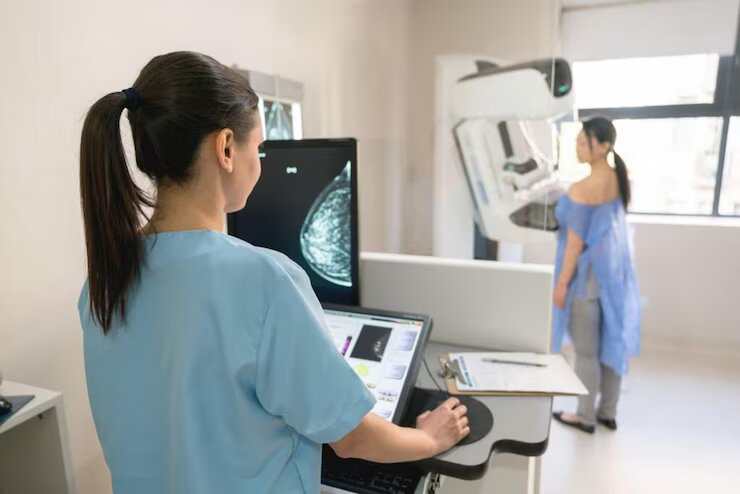
Cancer screening saves lives, yet significant disparities persist in healthcare. Recent data and clinical observations highlight a troubling trend: gay women (lesbians and bisexual women) and transgender women are significantly less likely to undergo routine cancer screenings compared to the general population. This gap in preventive care leads to later-stage diagnoses and poorer health outcomes, making it a critical issue for both the LGBTQ+ community and healthcare providers.
The Scope of the Disparity
Research consistently indicates that sexual and gender minority groups face unique barriers to healthcare. For gay and bisexual women, studies show lower rates of cervical cancer screening (Pap smears) and breast cancer screening (mammograms) compared to heterosexual women. The reasons are often rooted in healthcare avoidance, past negative experiences, and a lack of provider education.
For transgender women (assigned male at birth), the risks are distinct yet equally concerning. While they may not require cervical cancer screening, they remain at risk for breast cancer, especially those on hormone replacement therapy (HRT), as well as prostate and lung cancer. Despite these risks, screening rates among trans women are often alarmingly low.
Why Does This Gap Exist?
Understanding the “why” is crucial to fixing the problem. The lower screening rates are rarely due to apathy; rather, they are driven by systemic and interpersonal barriers.
1. Fear of Discrimination and Stigma
Many LGBTQ+ individuals have experienced or fear discrimination in medical settings. For trans women, the fear of being misgendered, lectured, or treated with hostility by medical staff is a primary deterrent to seeking care. A patient is unlikely to return for a screening if they felt unsafe or invalidated during their last visit.
2. Lack of Provider Knowledge
A significant barrier is the lack of education among healthcare providers regarding LGBTQ+ health needs. For example, a clinician may not know that a transgender woman on HRT requires breast cancer screening guidelines similar to cisgender women, or they may incorrectly assume a lesbian patient is “low risk” for HPV without discussing sexual history.
3. Anatomical and Emotional Discomfort
Screening procedures, such as Pap smears or pelvic exams, can be highly triggering or distressing for individuals who experience gender dysphoria. For gay women, previous negative experiences with gynecological care often lead to avoidance. The medical environment is frequently heteronormative, assuming a patient’s sexual partner is male, which can make the patient feel invisible and disconnected from the care they are receiving.
Overcoming the Barriers: What Needs to Change
Addressing these disparities requires a dual approach: systemic changes in healthcare and proactive steps by the patients themselves.
For Healthcare Systems and Providers:
Inclusive Intake Forms: Update forms to include correct pronouns, preferred names, and inclusive sexual orientation/gender identity fields.
Staff Training: Implement mandatory cultural competency training focused on LGBTQ+ health, specifically covering the screening needs of gay and trans populations.
Direct Communication: Explicitly discuss risk factors. For example, inform trans women about breast cancer risks associated with HRT, and educate lesbian/bisexual patients about HPV transmission and the need for cervical screening.
For Patients: Tips to Advocate for Your Health
If you identify as a gay woman or a transgender woman, it is important to know your risk profile and advocate for your health.
Find an Affirming Provider: Look for clinics that are specifically designated as LGBTQ+ friendly. The presence of a “Safe Zone” sticker or a provider listed on LGBTQ+ health directories can be a good indicator.
Know Your Guidelines:
For Trans Women: If you have been on HRT for more than 5 years, or if you are over 40, discuss prostate and breast cancer screening with your doctor.
For Gay/Bisexual Women: Do not skip your Pap smear or mammogram. Even if you are not sexually active, or only have female partners, you are still at risk for HPV and breast cancer.
Request Accommodations: If a pelvic exam or mammogram causes anxiety or dysphoria, ask the technician or doctor to explain every step before they start. Seek out providers who specialize in trauma-informed care.
The Bottom Line
The disparity in cancer screening among gay and trans women is a preventable tragedy. It is not a reflection of these communities’ value for their health, but rather a symptom of a healthcare system that has historically failed to meet their needs. By raising awareness and pushing for more inclusive medical training, we can work toward a future where cancer screening is accessible and equitable for everyone. If you have delayed a screening, take the first step today—your health is worth advocating for.
Frequently Asked Questions (FAQ)
1. Do transgender women need prostate exams?
Yes, transgender women still have a prostate. Even if taking HRT, the risk of prostate cancer remains, although it is often lower. Screening should be discussed with a physician based on age and medical history.
2. Are lesbians at a lower risk for cervical cancer?
This is a common misconception. Cervical cancer is caused by HPV, which can be transmitted between female partners. Lesbians and bisexual women should follow the same Pap smear guidelines as heterosexual women.
3. Can I get a mammogram if I am a trans woman?
Yes. If you have breast tissue (which typically develops with HRT), you are at risk for breast cancer. Many doctors recommend mammograms for trans women over 50 who have been on HRT for a decade or more.