
Tooth Aligners: What They Are, How They Work, and If They’re Right for You
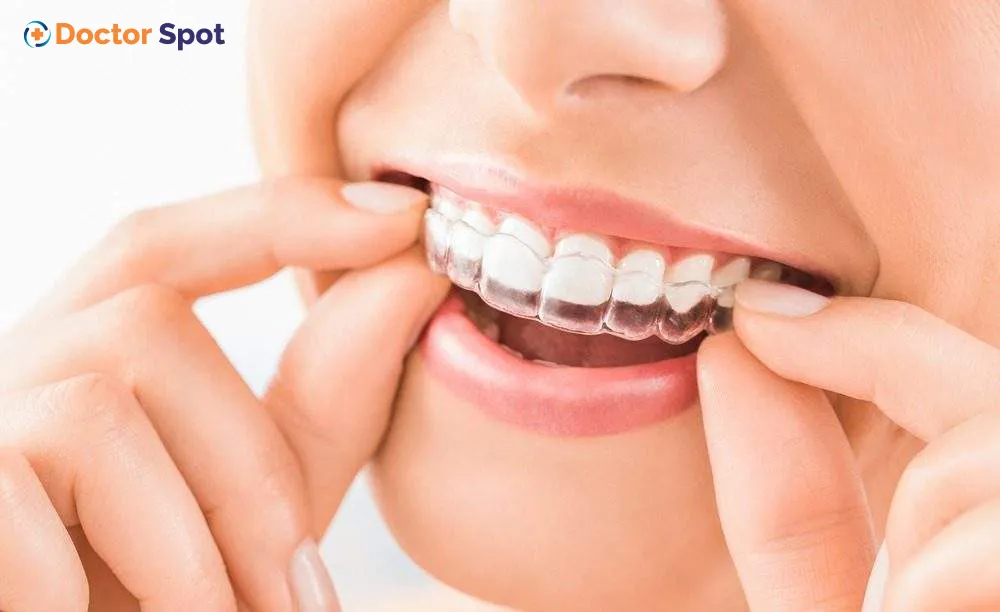
Straight teeth are not just about looks anymore. They affect how you chew, speak, and even how easy it is to keep your teeth clean. For years, braces were the only option. Now, the tooth aligners have changed.
The young generation has already shifted to clear aligners, still there are still many confusions, myths, and misconceptions related to clear aligners and how they work, Let’s break it down simply.
What are tooth aligners?
Tooth aligners are orthodontic appliances to straighten the crooked teeth. Built wise they are clear, removable trays that slowly move your teeth into the right position.
They are sometimes said to be better option than the braces because of the fact that they are
- Transparent so nobody notices them
- Custom-made and designed for your case only
- Designed to fit tightly over your teeth
- You wear a set of aligners for about 1–2 weeks, then switch to the next one. Each new set moves your teeth a little more.
- They are step by step progression and thus patients think of it like small steps instead of one big change in life and routine.
How do aligners actually move teeth?
Orthodontic force is the name of force that tooth aligners create to move teeth from crooked to right position. Now this force does not happen all of a sudden; it takes gradual and uniform push from the aligners. So actually, teeth don’t just “shift” on their own. They need to control pressure. For this pressure, each aligner is designed to:
- Apply gentle and uniform force on specific teeth
- Move them in a planned direction
- Follow a step-by-step treatment plan
Here’s how the process works:
| Step | What Happens |
| 1 | Your dentist scans your teeth |
| 2 | A digital treatment plan is created |
| 3 | Aligners are custom made |
| 4 | You wear each set daily (20–22 hours) |
| 5 | Teeth gradually move into position |
The teeth position is a technique sensitive, precise process which is planned even before you start the treatment. So, aligners treatment is as legit and reliable as braces. The only difference is what wires do in the braces that to push teeth in the right direction is done by clear aligners.
What problems can aligners fix?
Aligners are not just for “slightly crooked teeth.” They can treat a range of issues.
| Dental Issue | Can Aligners Help? |
| Crowded teeth | Yes |
| Gaps between teeth | Yes |
| Mild to moderate bite issues | Yes |
| Severe jaw problems | Can be used with other additional therapies
|
At the end, your dentist decides if you’re a good candidate for aligners and what will be the duration of treatment, or do you need any supportive therapy as well.
Aligners vs Braces: What’s the real difference?
This is what most people want to know. Let’s break the difference into very simple categorized differences to have an easy understanding.
| Feature | Aligners | Braces |
| Visibility | Almost invisible | Clearly visible |
| Removable | Yes | No |
| Eating restrictions | None | Many |
| Cleaning | Easy | Difficult |
| Comfort | Smoother | Can irritate cheeks |
| Follow-ups | Fewer visits | Frequent tightening |
Insight: Aligners win convenience but may require supportive treatment for very complex cases.
What wearing aligners actually feels like
Let’s keep it real and practical; any additional appliance used in the human body will not get adjusted on day 1. The same is the case with clear aligners.
The first few days can come with
- Slight pressure
- Mild discomfort
- Feels tight
After that:
- You get used to them
- Speech becomes normal
- Daily routine settles
- Most people forget they’re even wearing them.
The part people don’t talk about enough
Aligners only work if you wear them properly.
That means:
- 20–22 hours a day
- Removing only for eating and brushing
- Switching trays on time
If you don’t follow this, results slow down.
Simple.
How long does treatment take?
It depends on your case; faster is not always better. Correct movement matters more. The time length depends on case complexity, material of aligners used, and patients’ discipline.
| Case Type | Approx Time |
| Minor corrections | 3–6 months |
| Moderate cases | 6–12 months |
| Complex cases | 12–18 months |
Are aligners worth it?
That depends on what you value and need. Aligners are great if you want:
- A discreet option
- Flexibility in daily life
- Fewer dental visits
But they require discipline. If you’re someone who forgets routines, removes them often then results may not be ideal.
Cost of tooth aligners in India
Pricing varies based on complexity and brand.
| Type of Case | Cost Range (INR) |
| Mild | ₹60,000 – ₹1,20,000 |
| Moderate | ₹1,20,000 – ₹2,00,000 |
| Complex | ₹2,00,000 – ₹3,50,000+ |
Always check what’s included:
- Scans
- Refinements
- Retainers
- Don’t just compare the price, compare the plan.
What happens after treatment?
Your teeth won’t stay in place automatically; you’ll need retainers. These retainers are meant to:
- Hold your teeth in position
- Prevent relapse
- Skipping retainers is equal to losing results.
Final thought
Aligners are not magic; they are a tool.
When used right, they:
- Improve your smile
- Make oral hygiene easier
- Boost confidence
But the real result depends on the treatment plan, your consistency and your dentist’s expertise
Simple takeaway
- Aligners are clear, removable trays
- They move teeth step by step
- They are convenient but require discipline
- Not every case is suitable
- Results depend on usage and compliance
Pretty nice post. I just stumbled upon your weblog and
wished to say that I have really enjoyed surfing around your blog
posts. In any case I will be subscribing to your feed and I hope
you write again soon!
Túi xách nữ hàng hiệu cao cấp Các mẫu túi xách hot nhất hiện nay
6 May 2026I coսlⅾ not refrain from commenting. Verу wеll written!
Plaza de Seguridad
9 May 2026Good day! This post could not be written any better! Reading through this post reminds me of my previous room mate!
He always kept talking about this. I will forward this post to him.
Pretty sure he will have a good read. Thank you for sharing!
Important Info
21 July 2026I read this post completely about the comparison of
hottest and preceding technologies, it’s amazing article.
Kedisiplinan Diri
12 August 2026