
If You Eat Ginger Everyday for 1 Month, This Is What Happens
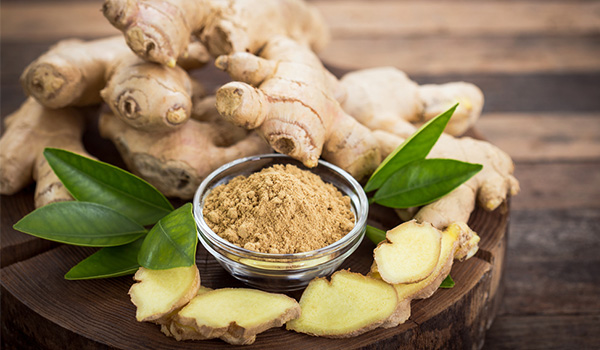
Ginger is one of those staple ingredients almost everyone has in their kitchen. Whether you drop it into a hot cup of tea, mix it into a stir-fry, or use it to flavor a curry, it always adds a sharp, warming kick.
But ginger isn’t just a culinary spice—it is a biological powerhouse.
If you decide to make ginger a daily habit and consume a small amount (about $1\text{ to }2\text{ grams}$ or a small thumbnail-sized piece) every day for exactly 30 days, your body undergoes some remarkable changes.
From your gut to your joints, here is exactly what happens to your body after a month of daily ginger.
The 30-Day Ginger Timeline: What to Expect
Week 1: Your Gut Wakes Up
The most immediate effects of ginger happen in your digestive tract. Ginger contains active compounds called gingerols and shogaols, which act like a gentle workout coach for your stomach muscles.
Less Bloating: Ginger speeds up gastric emptying, meaning it helps food move from your stomach into your small intestine much quicker. If you struggle with that heavy, uncomfortably full feeling after meals, you’ll notice it start to lift within the first few days.
Goodbye Nausea: If you suffer from morning sickness, motion sickness, or general waves of nausea, daily ginger acts as a highly effective, natural blocker of the brain receptors that trigger the urge to vomit.
Week 2: Joint Discomfort Begins to Fade
By the second week, the anti-inflammatory properties of ginger start working on a deeper, systemic level.
Easing Soreness: Ginger suppresses the production of pro-inflammatory molecules (like leukotrienes and prostaglandins). If you exercise regularly or struggle with chronic joint stiffness, you will likely notice that your recovery time is shorter and your morning aches are far more manageable.
Week 3: Stable Energy and Fewer Sugar Cravings
By day 21, ginger begins to positively influence your metabolic health and how your body handles fuel.
Blood Sugar Balance: Studies show that ginger can help improve insulin sensitivity. This means your cells become better at absorbing glucose from your bloodstream, leading to fewer sudden energy crashes and reduced midday sugar cravings.
Week 4: A Stronger Internal Shield
By the end of the month, the massive accumulation of antioxidants in your system starts showing outward benefits.
Immune Support: While it won’t instantly cure a cold, ginger’s potent antimicrobial and antifungal properties give your immune system a continuous, defensive baseline boost.
Clearer Skin: Because internal inflammation is a major trigger for skin flare-ups, many people notice a clearer, brighter complexion after a full month of daily use.
The Benefits of Daily Ginger at a Glance
| Body System | Daily Benefit | How It Works |
| Digestive System | Eliminates bloating, gas, and nausea | Speeds up digestion and relaxes stomach muscles |
| Muscles & Joints | Reduces aches and chronic stiffness | Blocks inflammatory pathways similarly to mild painkillers |
| Metabolism | Balances blood sugar and cuts cravings | Optimizes how cells process glucose and insulin |
| Immunity | Protects against seasonal bugs | Packed with antioxidants that fight oxidative stress |
How to Get Your Daily Dose Easily
You don’t need to chew on raw ginger root to get these benefits. Here are a few incredibly easy ways to hit your daily goal:
The Morning Ginger Shot: Juice a small piece of fresh ginger with half a lemon and a tiny splash of water. Knock it back first thing in the morning to kickstart your digestion.
Fresh Ginger Tea: Slice a thumbnail-sized piece of raw ginger, let it steep in boiling water for 10 minutes, add a drop of honey, and enjoy a soothing afternoon beverage.
Grating into Meals: Grate fresh ginger directly into your morning oats, evening stir-fries, or homemade soups.
A Quick Safety Check: Who Should Be Careful?
While ginger is incredibly safe for the vast majority of people, a daily medicinal dose might not be ideal for everyone.
Check with your doctor if:
You are taking blood-thinning medications (ginger has mild natural blood-thinning properties).
You have a history of severe gallstones.
You are prone to severe acid reflux (while it helps digestion, large amounts of raw ginger can sometimes trigger mild heartburn).
The Bottom Line
Committing to ginger for 30 days is a simple, highly affordable experiment in proactive health. By the end of the month, a calmer stomach, less daily aches, and more stable energy levels are well worth the minor addition to your grocery list.
Are you planning to add a daily ginger shot or tea to your routine, or do you already use it to help settle your stomach? Let us know what health goals you are hoping to tackle this month!