
5 Clear Signs Childhood Trauma Still Affects You as an Adult
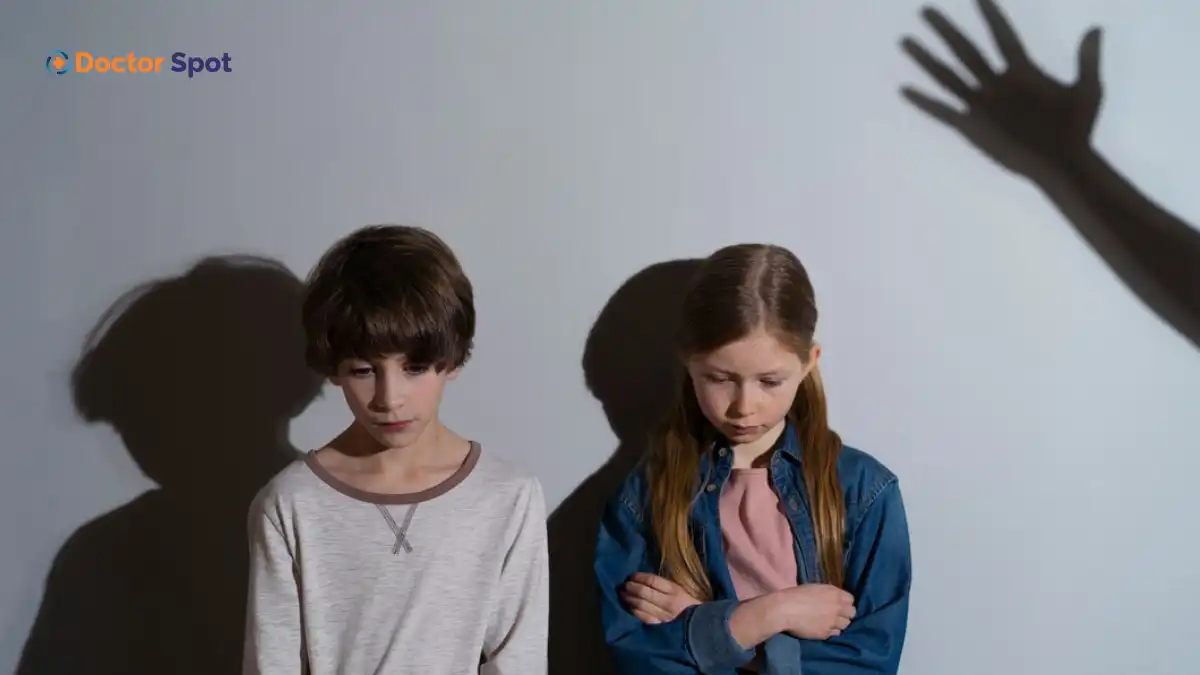
Childhood is meant to be a period of safety, learning, and emotional growth. But for many people, early life includes experiences that are painful, frightening, or deeply stressful. These experiences—often called childhood trauma—can include emotional neglect, physical or emotional abuse, family conflict, bullying, parental separation, witnessing violence, or growing up in an unpredictable environment.
According to top mental-health experts, childhood trauma doesn’t just disappear with age. Even if you don’t think about it anymore, it can shape your personality, behavior, relationships, and emotional reactions in adulthood. Many adults function normally on the outside but struggle internally with patterns that trace back to early life.
In this blog post, we’ll explore five important signs your childhood trauma may still be affecting you, explained in simple language and backed by leading psychologists and psychiatrists.
1. You Overreact Emotionally to Small Situations
One of the clearest signs of unresolved childhood trauma is having strong emotional reactions to minor triggers. This happens because your brain learned early on to stay in “survival mode,” even after the danger is gone.
Common examples:
-
You get unusually anxious when someone raises their voice.
-
You feel extreme fear of rejection, even from small comments or criticism.
-
You panic when plans change suddenly.
-
You become overwhelmed or shut down in stressful situations.
Top doctors explain that trauma can cause the brain’s amygdala—the fear center—to become extra sensitive. This means you may react as if a small issue is a major threat. Your logical mind knows the situation isn’t dangerous, but your emotional brain doesn’t feel safe.
Why it matters
When emotional reactions are bigger than the situation, it affects work performance, relationships, and self-confidence. Over time, this can lead to anxiety disorders, depression, or emotional exhaustion.
2. You Struggle with Low Self-Esteem or Feel “Not Good Enough”
Many adults who faced emotional neglect, criticism, or unstable family environments grow up with a deep feeling of unworthiness. This persistent sense of not being enough often starts in childhood, especially if caregivers were:
-
Overly critical
-
Emotionally unavailable
-
Difficult to please
-
Unpredictable or inconsistent
As a child, you may have learned to believe:
-
“I’m not lovable.”
-
“Nothing I do is ever right.”
-
“I have to be perfect to be accepted.”
These beliefs can follow you into adulthood and show up in your everyday life.
Common signs:
-
You doubt your decisions.
-
You apologize too often.
-
You compare yourself constantly.
-
You avoid opportunities because you fear failure.
-
You feel uncomfortable receiving compliments.
Top psychologists point out that low self-worth is one of the strongest long-term results of trauma because children internalize negative experiences as personal flaws. Even highly successful adults can secretly carry these beliefs.
Why it matters
Low self-esteem affects relationships, career progress, and mental well-being. Many adults stay in unhealthy relationships simply because they don’t believe they deserve better.
3. You Have Trouble Trusting People or Forming Close Relationships
If you grew up in an environment where love, safety, predictability, or support were missing, your brain may have learned that relationships are dangerous or unreliable. This can impact your adult relationships in many ways.
Signs of trust issues caused by childhood trauma:
-
You expect people to hurt, betray, or leave you.
-
You distance yourself even when you want closeness.
-
You avoid vulnerability because it feels unsafe.
-
You overanalyze people’s words and behavior.
-
You fear being abandoned, cheated on, or rejected.
According to psychiatrists, early trauma affects the brain areas responsible for attachment. This creates attachment styles such as anxious attachment, avoidant attachment, or disorganized attachment—all common among adults with unresolved childhood wounds.
Why it matters
Difficulty trusting others leads to lonely relationships, emotional disconnection, or patterns of choosing partners who repeat your childhood experiences. Understanding these patterns is the first step toward healthier connections.
4. You Become a “People Pleaser” to Avoid Conflict or Rejection
Many trauma survivors learn one strategy very early: keeping others happy is the safest way to avoid trouble. If you grew up in a home where conflict, anger, or emotional instability were common, you may have learned to:
-
Stay quiet
-
Suppress your needs
-
Put others’ comfort before your own
-
Avoid expressing emotions
-
Try to be “perfect” to prevent criticism
As an adult, this becomes people-pleasing behavior. It may look like:
-
Saying “yes” even when you want to say “no”
-
Taking responsibility for others’ emotions
-
Avoiding conflict at any cost
-
Feeling guilty when you put yourself first
-
Constantly seeking approval
Top therapists say people-pleasing is not a personality trait—it’s a survival response that began in childhood.
Why it matters
People-pleasing leads to burnout, frustration, resentment, and feeling invisible. Over time, you may lose your sense of identity because you’ve spent years trying to meet others’ expectations.
5. You Experience Chronic Anxiety, Overthinking, or Hypervigilance
One of the most widespread effects of childhood trauma is living in a constant state of alertness. Even when nothing is wrong, your mind and body may feel tense, guarded, or ready for danger.
Common signs:
-
You overthink conversations or decisions.
-
You imagine worst-case scenarios constantly.
-
You find it hard to relax or “switch off.”
-
You scan your environment for threats.
-
You feel jumpy or startled easily.
Doctors explain that childhood trauma rewires the nervous system. Instead of operating in a healthy balance, your body stays stuck in fight-or-flight mode, leading to chronic anxiety and stress.
Even if your adult life is stable, your body continues reacting as if you’re still in danger.
Why it matters
Chronic stress affects sleep, digestion, hormones, immunity, and long-term mental health. Recognizing where the anxiety comes from is key to breaking the cycle.
How to Heal from Childhood Trauma
If you identify with several signs above, remember this:
Your reactions are not your fault. They are your survival mechanisms.
Healing is absolutely possible. Psychologists recommend the following steps:
1. Therapy
Approaches like cognitive behavioral therapy (CBT), EMDR, trauma-focused therapy, and somatic therapy help rewire the brain and release stored trauma.
2. Inner child work
This involves understanding, comforting, and healing the younger version of yourself who experienced the trauma.
3. Building emotional awareness
Learning to identify feelings and triggers helps you respond, not react.
4. Practicing self-compassion
You are not broken—you are healing from wounds you didn’t choose.
5. Setting boundaries
Healthy boundaries protect your emotional space and rebuild your sense of control.
6. Mind-body techniques
Breathing exercises, meditation, yoga, journaling, and grounding exercises reduce nervous system hyperactivation.
Final Thoughts
Childhood trauma has a powerful impact on how you think, feel, and behave as an adult. The signs may show up in relationships, work, emotional health, and your daily reactions. But recognizing these patterns is the first and most important step toward healing.
Top doctors emphasize that trauma is not a life sentence. With awareness, support, and the right tools, you can break old patterns and rebuild a healthier, more peaceful life. Healing doesn’t erase your past—it gives you the power to shape your future.
If you connected with these signs, consider taking small steps toward healing. You deserve a life that feels safe, calm, and emotionally fulfilling.