
China Performs Pig Liver and Two Kidneys Transplanted into Human in World-First Surgery
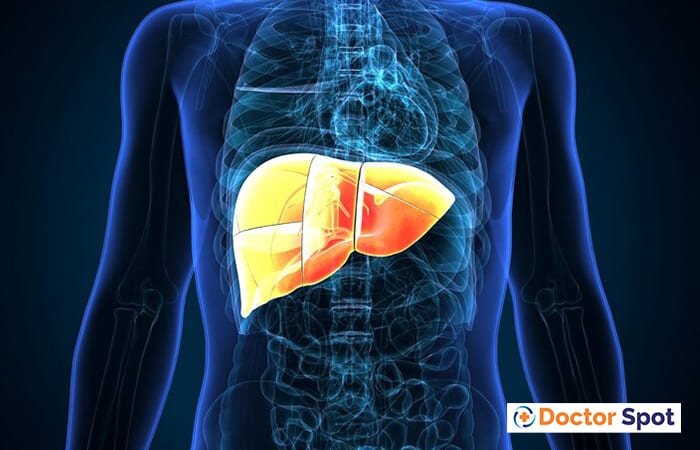
In a historic leap for xenotransplantation, Chinese surgeons have successfully transplanted a pig liver and two pig kidneys into a human recipient. The organs functioned normally for a remarkable 5 days.
This isn’t science fiction. It’s a landmark moment that brings the dream of solving the global organ shortage crisis closer to reality than ever before.
Here is everything you need to know about this world-first surgery, how it worked, and what it means for the future of medicine.
The Breakthrough: What Actually Happened?
On [Date of announcement, if known; otherwise use “recently”], a team of surgeons in China performed a procedure never before attempted in medical history.
The Donor: A genetically modified pig (designed to reduce immune rejection).
The Recipient: A brain-dead human patient (with family consent for research purposes).
The Procedure: Simultaneous transplantation of the pig’s liver and both kidneys into the human abdomen.
The Result: For five full days, all three organs functioned without immediate signs of rejection. The kidneys produced urine. The liver processed toxins.
After 120 hours (5 days), the experiment was concluded as planned, and the organs were removed for study.
Why Is This Different from Previous Attempts?
You may have heard of pig heart transplants (e.g., the famous case of David Bennett in 2022). So why are two kidneys and a liver so groundbreaking?
Multi-Organ Transplant: Most prior experiments used a single organ (a heart or a kidney). Transplanting three vital organs from the same pig simultaneously is exponentially more complex due to the combined metabolic and immunologic burden.
The Liver Factor: The liver is a notoriously difficult organ to transplant across species. It produces hundreds of proteins and interacts with the immune system in ways scientists are still decoding. Getting a pig liver to function in a human body for 5 days is a massive scientific achievement.
Combined Function: Having both the liver (filtration/processing) and kidneys (waste removal) work together proves that a pig’s organs can temporarily take over the entire metabolic load of a human body.
The “5-Day” Question: Why Not Longer?
You might wonder—if it worked, why stop at 5 days?
There are two key reasons:
The Recipient was Brain-Dead: The surgery was performed on a deceased donor to test safety without causing suffering. Long-term life support for a brain-dead patient is ethically and practically limited.
Short-Term Goal: The goal wasn’t a permanent cure. The goal was to prove that immediate hyperacute rejection (the violent, minutes-long rejection seen in older xenotransplants) does not occur. Five days of clean function is a massive success in this context.
Think of this as a proof of concept for a “bridge” therapy.
What This Means for the Organ Shortage
Right now, 17 people die every day in the US alone waiting for an organ transplant. Globally, the waitlist is in the millions.
This surgery suggests a future where:
Critically ill patients could receive pig organs as a “bridge” while waiting for a human donor.
Diabetics with kidney failure might receive a pig kidney that lasts for years.
Acute liver failure patients (who often die within days) could be saved with a pig liver to buy critical time.
The Challenges That Remain
Before you see pig livers in your local hospital, major hurdles remain:
Long-Term Rejection: 5 days is not 5 years. Scientists must still overcome chronic rejection and the risk of cross-species viral transmission (porcine endogenous retroviruses, or PERVs).
Ethical Questions: How much genetic modification is too much? What are the rights of animals bred solely for organ harvesting?
Cost & Scalability: Genetically modified pigs are expensive. Can this be made affordable?
The Bottom Line
This world-first surgery—pig liver and two kidneys transplanted into a human, functioning for 5 days—is not a cure. But it is a lighthouse.
For the first time, we have clear, documented evidence that a pig’s multi-organ system can be seamlessly integrated into a human body. The era where “pig organs save human lives” is no longer a hypothetical headline.
It is now a matter of when, not if.
What do you think? Would you accept a pig kidney if it meant living another 20 years? Let us know in the comments.
Disclaimer: This post is based on preliminary research reports. Always consult a medical professional for health advice.