
Why Does My Tattoo Burn? Causes, Remedies & Warning Signs
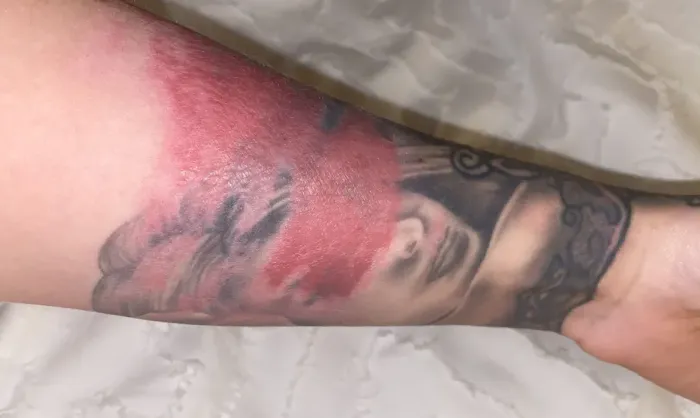
Getting a tattoo is an exciting experience, but it can also come with some unexpected side effects. One common concern many people have is, “Why does my tattoo burn?” A burning sensation in a tattoo can range from a normal part of the healing process to a sign of infection or allergic reaction.
In this guide, we’ll explain why your tattoo may feel like it’s burning, what you can do about it, and when it’s time to seek professional help.
Is It Normal for a Tattoo to Burn?
Yes, a mild burning sensation is often normal, especially during the first few days after getting a tattoo. Since tattooing involves repeatedly puncturing the skin with needles, your body naturally responds with inflammation and healing.
Common symptoms during the healing process include:
- Mild burning or stinging
- Redness around the tattoo
- Swelling
- Tenderness
- Itching
- Light scabbing
These symptoms usually improve within 1–2 weeks.
Common Reasons Why Your Tattoo Burns
1. Normal Healing Process
A fresh tattoo is essentially an open wound. As your skin repairs itself, inflammation can cause warmth, tenderness, and a slight burning sensation.
Signs of normal healing:
- Mild discomfort
- Gradual improvement each day
- No excessive swelling or pus
2. Skin Irritation
Your tattoo may burn if the skin becomes irritated by:
- Tight clothing
- Excessive rubbing
- Harsh soaps
- Fragranced lotions
- Excessive washing
Using products not recommended for tattoo aftercare can worsen irritation.
3. Tattoo Infection
Infections are one of the most serious reasons for a burning tattoo. Bacteria can enter the skin during or after the tattooing process.
Signs of infection include:
- Increasing pain
- Persistent burning
- Severe redness
- Swelling that worsens
- Yellow or green discharge
- Fever or chills
Seek medical attention immediately if you suspect an infection.
4. Allergic Reaction to Tattoo Ink
Some individuals develop allergic reactions to tattoo pigments, especially red, yellow, or blue inks.
Symptoms may include:
- Burning sensation
- Severe itching
- Rash around the tattoo
- Raised bumps
- Skin irritation months or even years later
5. Sun Exposure
Fresh tattoos are highly sensitive to sunlight. Excessive UV exposure can cause:
- Burning
- Redness
- Inflammation
- Delayed healing
Protect your tattoo from direct sunlight until it is fully healed.
6. Dry Skin and Cracking
A healing tattoo often becomes dry and flaky. If the skin becomes excessively dry, it may crack and produce a burning sensation.
Applying a tattoo-safe moisturizer can help relieve discomfort.
7. Nerve Irritation
The tattoo needle may irritate nearby nerves, particularly in sensitive areas such as:
- Ribs
- Hands
- Feet
- Neck
- Spine
This can cause temporary burning, tingling, or sensitivity.
How to Relieve a Burning Tattoo
Follow these steps to reduce discomfort:
Keep the Tattoo Clean
Wash gently with:
- Lukewarm water
- Mild fragrance-free soap
Avoid scrubbing the area.
Apply Recommended Moisturizer
Use:
- Tattoo aftercare ointments
- Fragrance-free moisturizers
Do not over-moisturize.
Avoid Sun Exposure
Cover the tattoo with loose clothing and avoid direct sunlight.
Stay Hydrated
Healthy skin heals faster when properly hydrated.
Avoid Picking or Scratching
Removing scabs prematurely can increase irritation and infection risk.
When Should You See a Doctor?
Contact a healthcare professional if you experience:
- Severe or worsening burning pain
- Fever
- Excessive swelling
- Pus or discharge
- Spreading redness
- Allergic reactions
- Symptoms lasting longer than two weeks
Early treatment can prevent complications.
How Long Does Tattoo Burning Last?
For most people, mild burning lasts:
- 1–3 days after getting the tattoo
- Occasionally up to 1–2 weeks during healing
If symptoms continue beyond the normal healing period, further evaluation may be necessary.
Tips to Prevent Tattoo Complications
- Choose a licensed tattoo artist
- Follow aftercare instructions carefully
- Wash hands before touching the tattoo
- Avoid swimming until healed
- Wear loose-fitting clothing
- Keep the tattoo moisturized
Frequently Asked Questions
Why does my healed tattoo suddenly burn?
A healed tattoo may burn due to an allergic reaction, skin irritation, sun exposure, infection, or underlying skin conditions.
Is a burning tattoo always infected?
No. Mild burning is common during healing. However, worsening pain, pus, fever, and increasing redness may indicate infection.
Can tattoo ink cause burning years later?
Yes. Delayed allergic reactions to tattoo pigments can occur months or years after getting a tattoo.
Should I put ice on a burning tattoo?
A cool compress may help reduce inflammation, but avoid placing ice directly on the tattooed skin.
Final Thoughts
A mild burning sensation after getting a tattoo is often part of the normal healing process. However, persistent or worsening burning can signal infection, allergic reactions, or skin irritation. Proper aftercare and monitoring symptoms are essential for healthy healing.
If your tattoo burns severely, develops discharge, or is accompanied by fever, seek medical attention promptly.
Medical Disclaimer: This article is for informational purposes only and should not be considered medical advice. Consult a qualified healthcare professional for diagnosis and treatment of any medical condition.