
7 Best Foods to Support Testosterone Naturally in Men

Testosterone is an important hormone for men. It plays a role in muscle development, sex drive, sperm production, bone health, and overall well-being.
Many men search for foods that increase testosterone because they want to improve hormone health naturally. The good news is that a balanced diet can provide nutrients involved in normal hormone production.
However, there is an important point to remember: no single food can dramatically “skyrocket” testosterone overnight. Foods are best viewed as part of an overall healthy lifestyle.
Here are seven nutritious foods that can help support a diet associated with healthy testosterone levels.
1. Oysters
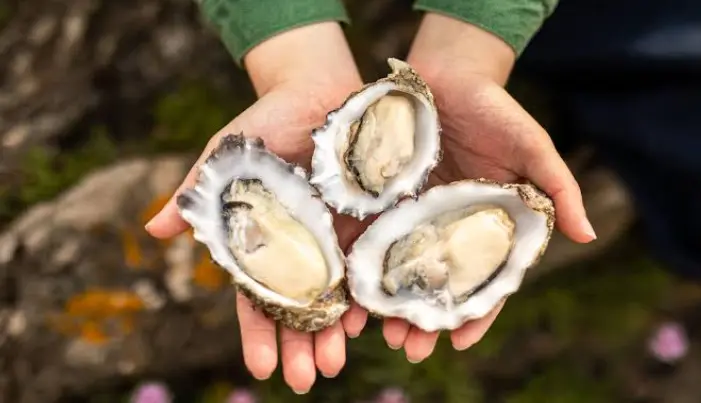
Oysters are one of the richest natural food sources of zinc.
Zinc is an important mineral involved in normal reproductive and hormonal function. Research suggests that zinc deficiency can be associated with lower testosterone, while correcting a deficiency may help improve testosterone levels.
Why oysters may help
- Very high in zinc
- Provide high-quality protein
- Contain vitamin B12
- Support normal reproductive health
You do not need to eat oysters every day. Including zinc-rich foods as part of a varied diet is a more practical approach.
2. Eggs

Eggs are an affordable source of protein and contain several nutrients important for overall health.
Egg yolks also contain fat-soluble vitamins and dietary fats. Rather than avoiding eggs because of their fat content, most healthy adults can include them as part of a balanced diet.
Why eggs are a good choice
- High-quality protein
- Contain vitamin D
- Provide healthy fats and other micronutrients
- Easy to add to breakfast or meals
Eggs should not be considered a testosterone “booster” by themselves. Their main advantage is that they contribute valuable nutrients to an overall nutritious diet.
3. Fatty Fish
Fatty fish such as salmon, sardines, mackerel and trout provide protein, omega-3 fatty acids and other nutrients.
They can be particularly useful when replacing foods high in saturated fats or highly processed foods.
Benefits of fatty fish
- Rich in omega-3 fatty acids
- Excellent source of protein
- Provides vitamin D in some varieties
- Supports cardiovascular and metabolic health
Vitamin D has been investigated for its relationship with testosterone. However, current randomized evidence does not show a consistent testosterone-boosting effect from vitamin D supplementation in adult men.
So, fatty fish should be viewed as a nutrient-dense food—not a guaranteed testosterone enhancer.
4. Pumpkin Seeds and Other Nuts
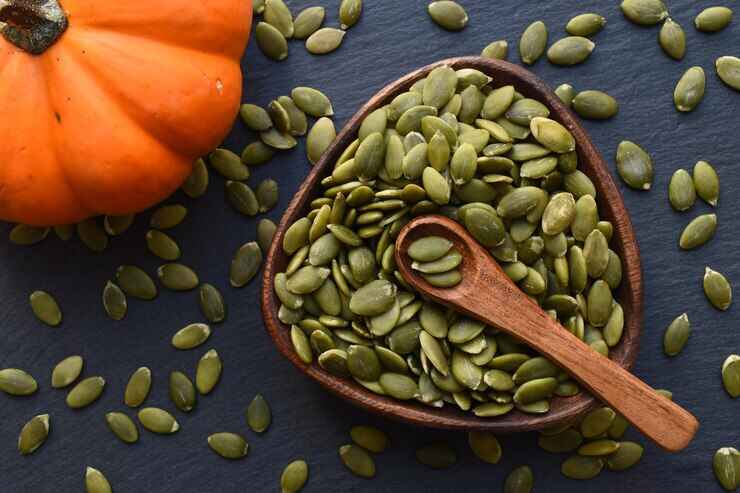
Pumpkin seeds, almonds, walnuts and other nuts can provide zinc, magnesium, healthy fats and protein.
Magnesium is involved in numerous processes in the body, while zinc is important for normal reproductive and hormonal function.
Good choices include:
- Pumpkin seeds
- Almonds
- Walnuts
- Cashews
- Brazil nuts
A small handful can make a convenient snack. Because nuts and seeds are calorie-dense, portion size still matters.
5. Leafy Green Vegetables

Spinach, kale, Swiss chard and other leafy greens are packed with nutrients.
They provide magnesium, folate, vitamin K, fiber and antioxidants while adding relatively few calories.
Why add leafy greens?
A healthy testosterone-supporting diet should not focus only on meat, eggs and supplements. Vegetables are important because good metabolic health is closely connected to overall hormonal health.
Try adding spinach or other greens to:
- Omelets
- Salads
- Smoothies
- Dal and curries
- Stir-fries
6. Pomegranate
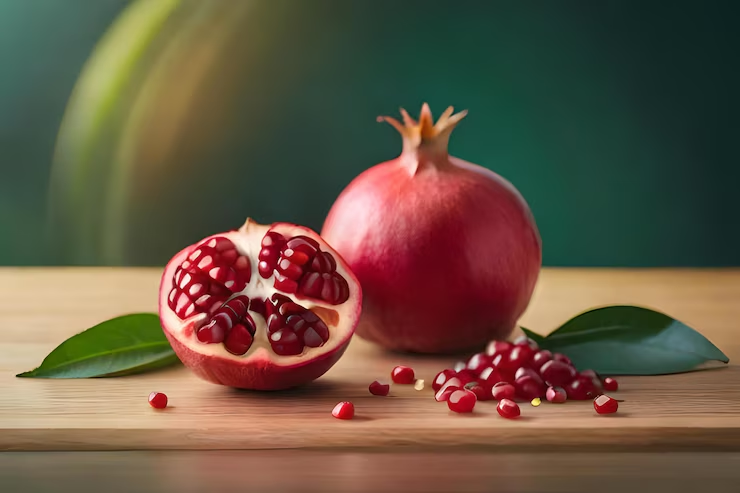
Pomegranate is rich in polyphenols and antioxidants.
Some small studies have investigated pomegranate juice and testosterone-related outcomes, but the evidence is not strong enough to say that pomegranate dramatically increases testosterone.
Still, whole pomegranate can be an excellent addition to a healthy diet because it provides fiber and antioxidant compounds.
Best way to eat it
Choose whole pomegranate seeds more often than sugary packaged juices. Whole fruit provides fiber and tends to be more filling.
7. Extra-Virgin Olive Oil
Extra-virgin olive oil is a source of monounsaturated fat and is a key component of Mediterranean-style eating patterns.
Healthy dietary fats are important because extremely restrictive diets that provide inadequate energy or dietary fat may negatively affect hormone function.
Use olive oil for:
- Salad dressings
- Cooking
- Roasted vegetables
- Marinades
- Whole-grain meals
The goal is not to consume huge amounts of fat, but to replace less healthy fat sources with nutrient-rich options when appropriate.
What Is the Best Food for Testosterone?
There is no single best food to increase testosterone.
If you want to support normal testosterone production, focus on a varied diet containing:
- Zinc-rich foods
- Adequate protein
- Healthy fats
- Vegetables and fruits
- Whole grains
- Nutrient-rich seafood
- Appropriate sources of vitamin D
Oysters may stand out for zinc, while fatty fish, eggs, nuts, seeds and vegetables provide a broader range of nutrients.
The biggest benefit comes from the overall dietary pattern rather than one “superfood.”
Can Food Really Increase Testosterone?
This is where many online articles exaggerate the evidence.
Eating a particular food does not necessarily cause a large increase in testosterone. Nutritional deficiencies can affect normal hormone function, and correcting a deficiency may help. But in men who already have adequate nutrition, adding one particular food is unlikely to dramatically increase testosterone.
A systematic review of marketed testosterone boosters found that most supplements studied did not consistently increase total testosterone.
Therefore, be careful with products promising extremely large testosterone increases.
Lifestyle Habits That May Be More Important
Food is only one part of hormone health.
Maintain a Healthy Weight
Excess body weight is associated with a higher prevalence of hypogonadism. The Endocrine Society notes that weight loss is typically first-line treatment when low testosterone is related to overweight or obesity and no other cause has been identified.
Exercise Regularly
Strength training and regular physical activity can support overall metabolic and physical health.
Avoid excessive training combined with inadequate calorie intake, however, because poor nutrition and excessive exercise can temporarily lower testosterone.
Get Enough Sleep
Poor sleep can affect overall health and may contribute to problems associated with low testosterone. Maintaining a regular sleep schedule is therefore an important part of a healthy lifestyle.
Avoid Crash Diets
Very restrictive diets can make it difficult to obtain enough calories, protein, fats, vitamins and minerals.
Instead, choose a sustainable eating pattern containing a variety of whole foods.
Foods and Habits to Limit
If your goal is better hormone and metabolic health, reduce your intake of:
- Highly processed foods
- Excess added sugar
- Excessive alcohol
- Trans fats
- Frequent fast food
- Crash-diet products
- Unnecessary “testosterone booster” supplements
You do not have to completely eliminate occasional treats. The overall pattern of your diet matters more.
Sample Testosterone-Supporting Meal Plan
Breakfast
2 eggs + spinach + whole-grain toast + fruit
Mid-Morning Snack
Pumpkin seeds or a small handful of mixed nuts
Lunch
Grilled salmon + brown rice + leafy green vegetables + salad
Evening Snack
Pomegranate or another whole fruit
Dinner
Lean protein + vegetables + whole grains + extra-virgin olive oil
This type of meal plan provides protein, healthy fats, fiber and a variety of micronutrients.
Signs of Low Testosterone
Low testosterone can cause symptoms such as:
- Reduced sex drive
- Erectile difficulties
- Reduced energy
- Decreased muscle mass
- Mood changes
- Reduced body hair
- Problems with fertility
But these symptoms can have many different causes.
Do not assume that you have low testosterone based on symptoms alone.
The Endocrine Society recommends diagnosing hypogonadism only when compatible symptoms and signs are accompanied by consistently and unequivocally low testosterone levels. Testing is generally confirmed with repeat morning measurements.
When Should You See a Doctor?
Talk to a healthcare professional if you have persistent symptoms such as low libido, erectile problems, unexplained fatigue, reduced muscle mass or fertility concerns.
A doctor may recommend blood testing and additional evaluation to determine whether testosterone is actually low and what may be causing it.
Do not start testosterone replacement therapy or high-dose hormone supplements without medical advice. Testosterone treatment is intended for appropriately diagnosed hypogonadism and is not simply a general-purpose energy or muscle-building treatment.
Frequently Asked Questions
Which food increases testosterone the most?
There is no scientifically proven single food that dramatically increases testosterone. Oysters are particularly rich in zinc, while eggs, fatty fish, nuts, seeds, vegetables and olive oil can contribute to a nutrient-rich diet that supports overall health.
Do eggs increase testosterone?
Eggs provide protein, vitamin D and other nutrients, but there is not strong evidence that eating eggs alone causes a major increase in testosterone.
Are pumpkin seeds good for testosterone?
Pumpkin seeds provide zinc, magnesium, healthy fats and other nutrients. Zinc is important for normal hormone function, particularly when someone is deficient.
Does vitamin D increase testosterone?
The evidence is mixed. A recent systematic review and meta-analysis of randomized trials found no clear or reproducible effect of vitamin D supplementation on total testosterone or androgen-related markers in adult men.
Can losing weight increase testosterone?
For men with obesity-related low testosterone, weight loss can be an important part of treatment and may improve testosterone status. The Endocrine Society identifies weight loss as a first-line approach in appropriate cases.
What is the fastest natural way to increase testosterone?
There is no reliable overnight method. The most useful approach is to address factors that can affect hormone health, including excess body weight, poor nutrition, inadequate sleep, excessive exercise and certain medical conditions or medications.
Final Takeaway
The idea of foods that “skyrocket testosterone” sounds appealing, but the science is more realistic.
Oysters, eggs, fatty fish, pumpkin seeds and nuts, leafy greens, pomegranate and extra-virgin olive oil can all fit into a nutritious diet that supports overall male health.
The key is not one magical food. A balanced diet, healthy body weight, regular exercise, adequate sleep and appropriate medical care are more important for maintaining healthy testosterone levels.
If you have symptoms of low testosterone, don’t rely on food or supplements alone. Proper medical evaluation and blood testing are the best way to determine whether testosterone is actually low and why.
Medical Disclaimer: This article is for educational purposes only and does not replace professional medical advice, diagnosis or treatment. Testosterone problems can have several causes. Speak with a qualified healthcare professional before starting testosterone therapy or high-dose supplements.