
Irregular Periods: 7 Potential Side Effects You Shouldn’t Ignore
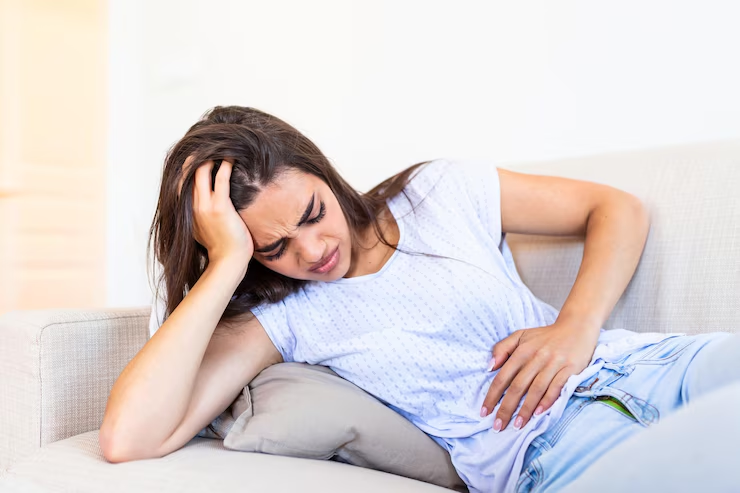
Irregular periods are more than just a scheduling nuisance—they can be your body’s way of signaling underlying health issues. While the occasional late or early period is normal, consistently irregular cycles may lead to or indicate more serious health consequences. In this comprehensive guide, we’ll explore the side effects of irregular periods, their potential causes, and when to seek medical advice.
What Qualifies as an Irregular Period?
First, let’s define irregularity. A typical menstrual cycle ranges from 21 to 35 days. Irregular periods may include:
Cycles shorter than 21 days or longer than 35 days
Missing three or more consecutive periods
Significantly heavier or lighter bleeding than usual
Periods lasting more than seven days
Extreme pain, cramping, or nausea
7 Side Effects and Health Risks of Irregular Periods
1. Fertility Challenges and Infertility
Irregular ovulation is one of the leading causes of difficulty conceiving. Conditions like Polycystic Ovary Syndrome (PCOS) or thyroid disorders—common culprits behind irregular cycles—can prevent regular ovulation, making it harder to predict fertile windows or achieve pregnancy.
2. Increased Risk of Endometrial Hyperplasia and Cancer
When ovulation is irregular, the uterine lining (endometrium) may build up over time without being shed. This prolonged exposure to estrogen without progesterone balance can lead to endometrial hyperplasia, a precursor to endometrial cancer.
3. Bone Density Loss (Osteoporosis)
Especially common in women whose irregular periods are due to low estrogen levels—such as in hypothalamic amenorrhea or premature ovarian insufficiency—estrogen deficiency can accelerate bone loss, increasing fracture risk later in life.
4. Cardiovascular Health Concerns
Hormonal imbalances linked to irregular periods, particularly those involving low estrogen or PCOS, can negatively impact cholesterol levels, blood pressure, and insulin resistance, elevating long-term heart disease risk.
5. Mental and Emotional Health Impact
The hormonal rollercoaster can significantly affect mood. Many women with irregular cycles report higher levels of anxiety, depression, and stress—compounded by concerns about fertility, health, and the unpredictability of their cycles.
6. Skin and Hair Changes
Hormonal fluctuations may trigger adult acne, hirsutism (excess facial or body hair), or even hair thinning—common in conditions like PCOS where androgen levels are elevated.
7. Metabolic Syndrome and Type 2 Diabetes
Insulin resistance is closely tied to irregular periods, particularly in PCOS. This increases the risk of developing metabolic syndrome and type 2 diabetes if left unmanaged.
Common Causes Behind Irregular Periods
Polycystic Ovary Syndrome (PCOS)
Thyroid disorders (hyperthyroidism or hypothyroidism)
Premature ovarian insufficiency
High stress levels or excessive exercise
Significant weight gain or loss
Perimenopause
Certain medications or contraceptives
When to See a Doctor
Consult a healthcare provider if you experience:
Sudden changes in your menstrual cycle
No period for 90 days or more
Periods occurring more often than every 21 days
Extremely heavy bleeding or severe pain
Symptoms like unexplained hair growth, acne, or weight changes
Managing Irregular Periods: Tips for Better Cycle Health
Track Your Cycle: Use an app or journal to monitor patterns.
Maintain a Healthy Weight: Significant BMI fluctuations can disrupt hormones.
Manage Stress: Incorporate relaxation techniques like yoga or meditation.
Exercise Moderately: Avoid excessive high-intensity workouts.
Balanced Nutrition: Focus on whole foods, healthy fats, and fiber.
Medical Treatments: Options may include hormonal birth control, metformin (for PCOS), or thyroid medication.
The Bottom Line
Irregular periods are often a symptom, not just a standalone issue. Paying attention to your cycle can provide valuable insights into your overall health. While lifestyle changes can help, persistent irregularities warrant a medical evaluation to rule out or address underlying conditions.
Disclaimer: This article is for informational purposes only and is not a substitute for professional medical advice. Always consult with a healthcare provider for personal health concerns.
By understanding the potential side effects of irregular periods, you empower yourself to take proactive steps toward better reproductive and overall health. Don’t ignore what your cycle is trying to tell you—it might be one of your body’s most important health indicators.