
What Happens If Expired Medicine Is Taken: Everything You Need to Know
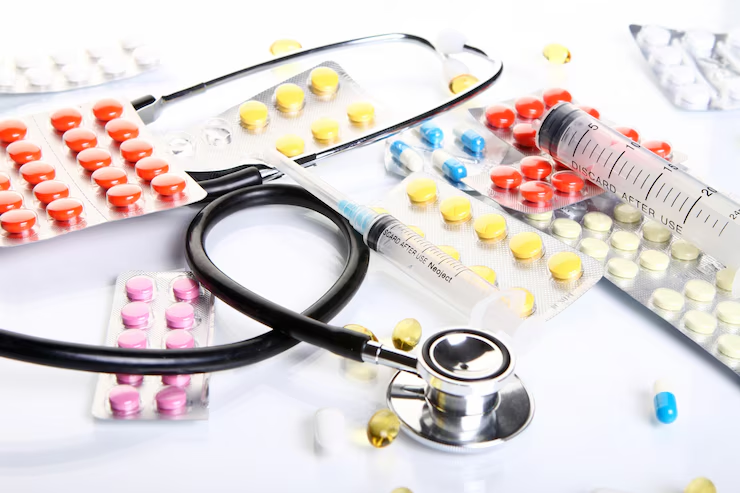
Most of us have a habit of storing leftover medicines at home — in drawers, first-aid boxes, or cupboards. Often, when we fall sick again, we reach for those same medicines without checking their expiry date. But have you ever wondered what happens if you take expired medicine? Is it safe or dangerous?
Taking expired medicines is a common mistake, but it can sometimes have serious consequences. This article explains in simple terms what happens when you take expired medicine, why expiration dates matter, potential risks, and how to handle medicines safely.
What Does “Expired Medicine” Mean?
Every medicine has a shelf life, which is the period during which it is expected to remain effective and safe. The expiry date printed on the package tells you how long the medicine is guaranteed to work as intended.
After the expiry date, the chemical composition of the medicine may change. This can affect how well it works, how your body reacts to it, and whether it causes unwanted side effects.
The expiry date is determined after careful testing by pharmaceutical companies to ensure the medicine’s potency, stability, and safety. Once that date passes, the manufacturer no longer guarantees these qualities.
What Happens Chemically When Medicine Expires
Medicines are made of active ingredients that can degrade over time due to exposure to light, heat, air, or moisture. When this happens:
The active ingredient may lose its effectiveness.
The medicine may break down into other compounds, which can sometimes be harmful or toxic.
The binding agents and preservatives in the medicine may stop working properly, leading to bacterial or fungal growth in some cases (especially in liquid medicines).
For example, an antibiotic syrup left open for months after its expiry may grow bacteria or mold, which can be harmful if consumed.
Possible Effects of Taking Expired Medicine
The impact of taking expired medicine depends on various factors — the type of medicine, how long it has been expired, how it was stored, and your health condition. Let’s look at the possible outcomes.
1. Reduced Effectiveness
The most common result of taking expired medicine is that it won’t work properly.
A painkiller may not relieve pain as expected.
A fever medicine may fail to reduce temperature.
An antibiotic may not treat infection effectively, leading to antibiotic resistance.
This can delay recovery and, in serious conditions, worsen the illness.
2. Toxic Reactions
Some medicines undergo chemical changes after expiry and may become toxic.
Tetracycline antibiotics, for example, are known to cause kidney damage when taken after expiry.
Liquid medicines and eye drops may develop harmful microorganisms that can cause infections.
3. Allergic or Adverse Reactions
Expired medicines might cause unusual side effects such as nausea, rashes, dizziness, or stomach upset due to chemical breakdown.
4. Life-Threatening Situations
For critical conditions like heart disease, diabetes, or asthma, taking an expired medicine could be dangerous. If the medicine doesn’t work effectively, it can lead to serious complications such as:
Heart attack (if expired cardiac medicines are taken)
Uncontrolled blood sugar levels in diabetics
Severe asthma attack if inhalers lose potency
Are All Expired Medicines Dangerous?
Not all expired medicines immediately become harmful. Some may only lose potency slightly after the printed expiry date, especially if stored properly.
According to studies by the U.S. Food and Drug Administration (FDA), some medicines remain stable for months or even years after expiry. However, this doesn’t mean they are safe to use. Manufacturers only guarantee safety and effectiveness up to the expiry date — beyond that, it’s unpredictable.
Medicines that should never be used after expiry include:
Antibiotics
Insulin
Nitroglycerin (for heart)
Inhalers (for asthma)
Eye and ear drops
Liquid syrups and suspensions
How Storage Affects Medicine Safety
Even before the expiry date, improper storage can make medicines unsafe. Heat, humidity, and light can speed up chemical degradation.
To keep medicines safe:
Store medicines in a cool, dry place, away from sunlight.
Avoid keeping them in bathrooms or near the kitchen stove.
Always keep medicines in their original packaging with labels intact.
Check expiry dates regularly and dispose of old ones safely.
Real-Life Risks of Expired Medicines
Let’s look at how expired medicines can affect different drug types:
1. Expired Antibiotics
Taking expired antibiotics may fail to kill bacteria completely. This can cause infections to worsen and encourage antibiotic resistance, making future infections harder to treat.
2. Expired Painkillers
Pain relievers like ibuprofen or paracetamol may lose strength over time. In mild cases, it simply means you won’t get pain relief. But if you take too many trying to compensate, it may lead to liver or kidney damage.
3. Expired Insulin
Insulin is very sensitive to temperature and time. Expired insulin may not control blood sugar effectively, which can lead to hyperglycemia (high blood sugar) and other serious complications in diabetics.
4. Expired Heart Medicines
For heart patients, expired medications such as nitroglycerin or blood thinners may lose potency. This can cause severe consequences like chest pain, stroke, or heart attack.
5. Expired Eye or Ear Drops
Once opened, these are prone to contamination. Using them after expiry may cause eye infections or irritation.
6. Expired Cough Syrups or Liquid Medicines
Liquids are more likely to grow bacteria or mold after expiry. They can cause stomach upset, infections, or allergic reactions.
What To Do If You Accidentally Take Expired Medicine
If you’ve taken an expired medicine by mistake, don’t panic. Here’s what you should do:
Check the medicine label – Confirm how long it’s been expired.
Observe your body – If you experience unusual symptoms like nausea, vomiting, rash, or dizziness, seek medical help immediately.
Contact your doctor or pharmacist – They can advise whether it’s safe or if you need further evaluation.
Drink water – Staying hydrated helps flush out mild toxins from your system.
In most cases, if the medicine is only slightly expired and stored well, it may not cause harm — but always consult a healthcare professional for safety.
How to Dispose of Expired Medicines
Proper disposal of expired medicines is essential to prevent misuse and environmental harm. Here’s how you can do it safely:
Do not throw medicines in the trash or flush them down the toilet (they can contaminate water).
Return them to a pharmacy or hospital that accepts expired medicines for safe disposal.
If you must dispose of them at home:
Mix the medicine with used coffee grounds or cat litter.
Place the mixture in a sealed plastic bag before throwing it away.
Remove personal information from prescription labels to protect your privacy.
How to Prevent Using Expired Medicines
A few small habits can help you avoid taking expired medicines by mistake:
Regularly check expiry dates on all stored medicines.
Label bottles clearly with expiration dates.
Keep medicines organized — separate ongoing prescriptions from old ones.
Avoid stockpiling unnecessary medicines.
Teach family members, especially children and elderly people, not to take medicines without checking the date.
Common Myths About Expired Medicines
Let’s bust some common misconceptions:
Myth 1: “A few days after expiry doesn’t matter.”
Fact: Even a few days can make a difference depending on the medicine type.
Myth 2: “If it looks fine, it’s safe.”
Fact: Chemical changes aren’t always visible; a tablet can look normal but still be ineffective or unsafe.
Myth 3: “All expired medicines are toxic.”
Fact: Not all are toxic, but many lose potency and may not work — which can be equally dangerous.
Final Thoughts
Taking expired medicine may not always cause immediate harm, but it’s never worth the risk. Expiry dates exist for a reason — to ensure safety, effectiveness, and protection from side effects.
An expired medicine might not cure your illness, and in some cases, it can make things worse. Always check expiry dates before taking any drug, store medicines properly, and consult your doctor if you’re unsure about their safety.
Your health is too valuable to gamble with outdated medicines. When in doubt — throw it out!