
Ibtrozi Tablet : Uses, Dosage, Side Effects & More
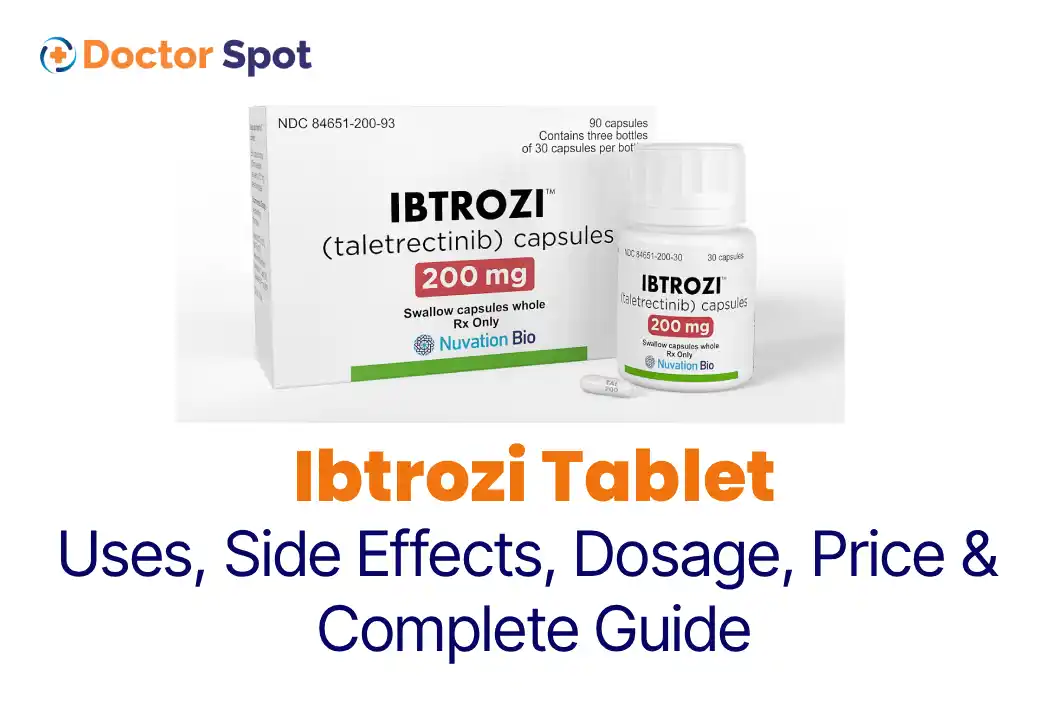
In the world of modern medicine, antibiotics play a vital role in combating bacterial infections. One such potent antibiotic is Ibtrozi, commonly used to treat various infections affecting the respiratory tract, skin, urinary tract, and more. With the increasing awareness of antibiotic resistance and the importance of appropriate usage, understanding a drug like Ibtrozi becomes crucial.
This comprehensive blog post will cover what Ibtrozi is, its medical uses, dosage guidelines, potential side effects, precautions, and storage instructions. Whether you’re a patient, healthcare student, or just a curious reader, this article is tailored to provide reliable and useful information.
What is Ibtrozi?
Ibtrozi is a brand name for a formulation that contains Cefixime, a third-generation cephalosporin antibiotic. It is known for its broad-spectrum antibacterial activity and is available in various forms such as tablets, capsules, and oral suspensions.
Ibtrozi works by inhibiting bacterial cell wall synthesis, leading to the rupture and death of the bacteria. It is ineffective against viral infections like the common cold or flu.
Composition
Active Ingredient: Cefixime
Drug Class: Cephalosporin antibiotics (3rd generation)
Formulation:
Ibtrozi Tablets (200 mg / 400 mg)
Ibtrozi Dry Syrup (usually for pediatric use)
Medical Uses of Ibtrozi
Ibtrozi is prescribed for a range of bacterial infections, including:
1. Respiratory Tract Infections
Pharyngitis and Tonsillitis
Acute Bronchitis
Chronic Bronchitis (exacerbations)
Sinusitis
Community-acquired pneumonia
2. Urinary Tract Infections (UTIs)
Cystitis
Pyelonephritis (mild to moderate)
3. Ear Infections
Otitis media (especially in children)
4. Skin and Soft Tissue Infections
5. Sexually Transmitted Diseases
Uncomplicated gonorrhea
6. Typhoid Fever
An alternative antibiotic for enteric fever, particularly in resistant cases.
Dosage Guidelines
Note: Dosage may vary depending on age, weight, medical condition, and infection severity. Always follow your doctor’s prescription.
💊 For Adults
Standard Dose: 200 mg to 400 mg per day (in one or two divided doses)
Duration: Usually 5 to 14 days depending on the infection
👦 For Children
Dry Syrup form is commonly prescribed
Recommended Dose: 8 mg/kg body weight per day (can be divided into 2 doses)
Always use the provided measuring device for accuracy.
🕐 When to Take
Can be taken with or without food
Taking it with food may reduce stomach upset
Side Effects of Ibtrozi
Like all medications, Ibtrozi may cause side effects, though not everyone experiences them. Most side effects are mild and resolve on their own.
⚠️ Common Side Effects
Diarrhea
Nausea
Vomiting
Stomach pain
Headache
Gas or bloating
⚠️ Less Common but Serious Side Effects
Allergic reactions: rash, itching, swelling (especially of face/tongue/throat), severe dizziness, trouble breathing
Severe diarrhea: could indicate Clostridium difficile infection
Liver enzyme abnormalities
Blood disorders (very rare): such as eosinophilia or thrombocytopenia
If any serious side effects occur, stop the medication and seek medical attention immediately.
Precautions and Warnings
🚫 Before Taking Ibtrozi, Inform Your Doctor If You Have:
Allergies to cephalosporins or penicillins
History of kidney disease
History of colitis or gastrointestinal diseases
Pregnancy or breastfeeding status
Any other current medications (prescription, OTC, herbal)
❗ Special Considerations
Pregnancy: Should be used only if clearly needed and prescribed.
Lactation: Small amounts may pass into breast milk; consult your doctor.
Kidney Impairment: Dose adjustment may be necessary.
Drug Interactions
Though Ibtrozi is generally safe, it may interact with other medications:
🚫 Potential Interactions
Antacids containing magnesium or aluminum: may reduce drug absorption
Probenecid: may increase the effect/toxicity of cefixime
Blood thinners (e.g., warfarin): increased risk of bleeding
Always disclose all medications and supplements you’re taking to your healthcare provider.
How to Take Ibtrozi
Tablets: Swallow whole with water. Do not crush or chew.
Syrup/Suspension: Shake well before use. Use a proper measuring spoon/syringe.
Tips for Best Results:
Take at the same time every day
Complete the full course even if symptoms improve early
Do not skip doses or stop without medical advice
Missed Dose
If you miss a dose, take it as soon as you remember.
If it’s almost time for the next dose, skip the missed dose. Do not double up.
Overdose
In case of overdose, symptoms might include:
Severe nausea or vomiting
Diarrhea
Abdominal cramps
Seizures (in rare cases)
Seek emergency medical attention or contact a poison control center immediately.
Storage Instructions
Store at room temperature (20-25°C) in a dry place
Keep away from sunlight and moisture
Keep out of reach of children
For suspension, refrigeration may be required after reconstitution – check the label
Discard any unused liquid after 7-10 days
Price of Ibtrozi in India
Prices may vary slightly depending on the pharmacy, location, and formulation.
| Form | Strength | Average Price (INR) |
|---|---|---|
| Ibtrozi Tablet | 200 mg | ₹60 – ₹90 (per strip of 10) |
| Ibtrozi Tablet | 400 mg | ₹110 – ₹150 (per strip of 10) |
| Ibtrozi Dry Syrup | 50 mg/5ml (30 ml bottle) | ₹70 – ₹100 |
Note: Always check with your local pharmacy for the latest prices and offers.
Alternatives to Ibtrozi
If Ibtrozi is unavailable or unsuitable, your doctor may prescribe alternatives such as:
Cefpodoxime
Cefuroxime
Amoxicillin-Clavulanate
Azithromycin (in case of penicillin allergy)
Frequently Asked Questions (FAQs)
1. Can Ibtrozi be taken on an empty stomach?
Yes, but taking it with food may reduce stomach upset.
2. Is Ibtrozi safe for children?
Yes, the pediatric version (dry syrup) is commonly prescribed for children above 6 months.
3. Can Ibtrozi treat viral infections?
No, Ibtrozi is only effective against bacterial infections.
4. How quickly does Ibtrozi work?
You may see improvement within 48–72 hours, but complete the full course as prescribed.
5. Can I drink alcohol while taking Ibtrozi?
It is generally advisable to avoid alcohol during antibiotic therapy to prevent side effects and promote faster recovery.
Conclusion
Ibtrozi (Cefixime) is a reliable and effective antibiotic used for a wide range of bacterial infections. However, responsible use is essential to avoid resistance, side effects, or treatment failure. Always take it exactly as prescribed, and never self-medicate with antibiotics.
Disclaimer:
This article is for informational purposes only and should not replace professional medical advice. Always consult a doctor for evaluation and treatment.