
What Happens When You Eat 1 Banana Daily for 30 Days?
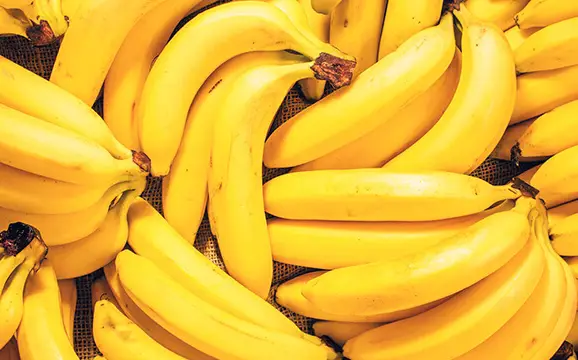
Eating one banana every day for 30 days can be a simple way to add fruit, carbohydrates, fiber, potassium, vitamin B6, and other nutrients to your diet. For most healthy adults, having one banana daily is safe and can be part of a balanced diet.
However, a banana is not a “miracle food,” and eating one every day does not automatically cause weight loss, improve blood sugar, or prevent disease. The effects depend on your overall diet, activity level, health conditions, and the rest of your lifestyle.
What Happens When You Eat One Banana Every Day?
Here are some changes you may notice after making a banana part of your daily diet.
1. You May Get More Fiber
A medium banana provides several grams of dietary fiber. Fiber helps support normal bowel movements and digestive health.
Eating a banana regularly, especially along with vegetables, whole grains, beans, and other fruits, can help you meet your daily fiber needs.
Doctor’s tip: If your diet is low in fiber, increase fiber gradually and drink enough water to reduce the chance of bloating or constipation.
2. It Provides Potassium
Bananas are well known for their potassium content. Potassium is an essential mineral that helps with:
- Normal muscle function
- Nerve function
- Fluid balance
- Normal heart function
- Maintaining normal blood pressure
One banana does not provide all the potassium your body needs, but it can contribute to your daily intake.
3. You May Have a Convenient Energy Source
Bananas contain carbohydrates and natural sugars, making them a convenient source of energy.
This can be particularly useful before physical activity or as a quick snack when you are hungry.
A banana paired with a protein source such as unsweetened yogurt, nuts, or peanut butter can make a more filling snack.
4. It Provides Vitamin B6
Bananas provide vitamin B6, which is involved in several important processes in the body, including normal metabolism and nervous-system function.
Eating a varied diet is still important because no single fruit provides all the vitamins and minerals your body needs.
5. Your Digestion May Benefit
Bananas contain both fiber and resistant starch, particularly when they are less ripe.
These carbohydrates can interact with the bacteria in your large intestine and may support a healthy gut environment.
The amount and type of resistant starch change as a banana ripens, so a green banana and a fully ripe banana do not have exactly the same nutritional profile.
6. It May Help You Feel Full Between Meals
A banana can be a better snack choice than many highly processed foods such as sweets, cookies, or chips.
Its fiber and carbohydrate content can help provide some fullness while satisfying a desire for something sweet.
However, bananas are not especially high in protein, so they may not keep everyone full for a long time.
7. It Can Support an Active Lifestyle
The carbohydrates in bananas can provide readily available energy.
Some people enjoy bananas before exercise, while others prefer them after exercise as part of a meal or snack.
For longer or intense workouts, however, your nutritional needs may be greater than what one banana can provide.
Can Eating One Banana Daily Help You Lose Weight?
Not by itself.
Weight loss mainly depends on your overall energy intake, physical activity, food choices, sleep, and other lifestyle factors.
A banana contains calories, so adding one to your existing diet without adjusting anything else will not automatically result in weight loss.
However, replacing a high-calorie, highly processed snack with a banana may help reduce overall calorie intake.
For example, choosing a banana instead of a sugary dessert or packaged snack can be a practical dietary change.
Can Bananas Increase Blood Sugar?
Yes, bananas contain carbohydrates and naturally occurring sugars, so they can raise blood glucose.
The effect varies depending on:
- The size of the banana
- How ripe it is
- What you eat with it
- Your individual response to carbohydrates
- Whether you have diabetes or insulin resistance
A whole banana generally provides more fiber than fruit juice and is usually a better choice than drinking a sugary beverage.
If You Have Diabetes
You do not necessarily need to avoid bananas if you have diabetes.
However, portion size and your overall carbohydrate intake matter. Some people may find that eating a smaller banana with a protein- or fiber-rich food produces a more manageable glucose response.
If you have diabetes, monitor your blood glucose according to your healthcare professional’s advice.
Are Bananas Good for the Heart?
Bananas can contribute to a heart-healthy diet because they provide potassium and fiber.
Potassium is important for normal blood pressure regulation, while a diet rich in fruits and vegetables is generally associated with better cardiovascular health.
But eating one banana does not independently prevent heart disease. Overall dietary patterns matter much more than one individual food.
What About Muscle Cramps?
Bananas are often recommended for muscle cramps because they contain potassium.
Potassium is important for normal muscle and nerve function, but muscle cramps can have many causes, including muscle fatigue, dehydration, certain medications, and electrolyte disturbances.
Therefore, eating a banana may provide useful nutrients, but it should not be considered a guaranteed treatment for muscle cramps.
Persistent or severe cramps should be discussed with a healthcare professional.
Can Eating a Banana Every Day Improve Skin?
Bananas contain nutrients such as vitamin B6, vitamin C, and other plant compounds, but there is not strong evidence that eating one banana every day will dramatically improve your skin.
Healthy skin depends on many factors, including:
- Overall nutrition
- Hydration
- Sun protection
- Sleep
- Hormonal health
- Genetics
- Skin-care habits
A banana can be part of a nutritious diet, but it should not be considered a skin treatment.
Is It Better to Eat a Banana in the Morning?
There is no medically established rule that bananas must be eaten in the morning.
You can eat a banana:
- With breakfast
- As a mid-morning snack
- Before exercise
- After exercise
- With lunch
- As an evening snack
The best time depends on your hunger, routine, activity level, and overall diet.
Is Eating a Banana at Night Bad?
For most healthy people, eating a banana at night is not harmful.
A banana can be a convenient evening snack. However, if you have a condition that requires carbohydrate or potassium restriction, your healthcare professional may recommend a different eating pattern.
Green Banana vs. Ripe Banana
The ripeness of a banana changes its carbohydrate composition.
Green or Less-Ripe Banana
It generally contains more resistant starch, which behaves differently from rapidly digested carbohydrates and can support the production of beneficial compounds by gut bacteria.
Yellow or Ripe Banana
As a banana ripens, some of its starch is converted into simpler sugars. This makes it sweeter and softer.
Both can be nutritious choices. The better option depends on your taste, digestion, and dietary needs.
How Many Calories Are in One Banana?
The calorie content depends on the banana’s size.
A medium banana provides roughly 100–110 calories, although the exact amount varies.
It also provides carbohydrates, fiber, potassium, vitamin B6, and other nutrients.
If you are counting calories, remember that banana size matters.
Can You Eat a Banana Every Day?
For most healthy people, yes.
One banana per day can comfortably fit into a balanced diet.
However, eating several bananas every day while eating very few other fruits and vegetables would not provide the nutritional variety your body needs.
A healthy diet should include different types of fruits, vegetables, whole grains, legumes, nuts, seeds, and appropriate protein sources.
Who Should Be Careful With Bananas?
Most people can eat bananas safely. However, people with certain medical conditions may need to pay attention to their potassium or carbohydrate intake.
People With Kidney Disease
Some people with chronic kidney disease may need to restrict potassium. Bananas are relatively potassium-rich, so the appropriate amount should be discussed with a doctor or dietitian.
Do not assume that a food is safe simply because it is natural.
People With Diabetes
Bananas can be included in many diabetes-friendly diets, but portion size and total carbohydrate intake are important.
People With Certain Food Allergies
Rarely, people can experience allergic reactions to bananas. Anyone who develops symptoms such as swelling, hives, wheezing, or difficulty breathing after eating a banana should seek medical attention.
Possible Side Effects of Eating Bananas Every Day
For most people, one banana daily does not cause problems.
However, some people may experience:
- Bloating
- Gas
- Changes in bowel movements
- Blood sugar increases
- Allergy symptoms in susceptible individuals
Eating large quantities of bananas may also significantly increase your carbohydrate and potassium intake.
Best Ways to Eat a Banana
You do not need complicated recipes to enjoy a banana.
Try it:
- With plain yogurt
- With oatmeal
- With nuts
- With peanut butter
- In a smoothie
- Sliced over whole-grain cereal
- As a pre-workout snack
- With a balanced breakfast
For a more balanced snack, combine a banana with protein or healthy fats, such as Greek yogurt, nuts, seeds, or nut butter.
30-Day Banana Challenge: What Should You Expect?
If you eat one banana every day for 30 days, you may simply be adding a convenient serving of fruit to your diet.
Possible benefits include:
Week 1:
You may find it easier to choose a convenient, nutritious snack instead of processed foods.
Week 2:
Regular fiber intake may support normal bowel habits, particularly if your overall diet contains enough fluids and other fiber-rich foods.
Week 3:
You continue receiving nutrients such as potassium and vitamin B6 as part of your regular diet.
Week 4:
The biggest benefit may be consistency: you have established a simple healthy eating habit.
However, there is no scientifically guaranteed “30-day transformation.” Your results depend on your complete diet and lifestyle.
Frequently Asked Questions
What happens if I eat one banana every day for 30 days?
For most healthy people, eating one banana daily is a safe way to add fruit, fiber, potassium, vitamin B6, and carbohydrates to the diet. It may support overall nutrition but does not produce guaranteed dramatic changes.
Can one banana a day reduce belly fat?
No. Eating a banana alone does not specifically burn belly fat. Reduction in body fat depends on overall energy balance, diet, physical activity, and other lifestyle factors.
Is one banana a day too much sugar?
For most healthy people, the naturally occurring sugar in one whole banana can fit into a balanced diet. Whole fruit also provides fiber and other nutrients.
Can I eat a banana every day if I have diabetes?
Many people with diabetes can include bananas in their diet. Portion size, total carbohydrate intake, and individual blood glucose responses are important. Follow your healthcare professional’s advice.
Is a banana good before exercise?
Yes. Its carbohydrates make it a convenient pre-workout snack for many people. For longer or more intense exercise, additional nutrition and hydration may be needed.
Is eating a banana every day healthy?
For most healthy adults, yes. One banana can be part of a nutritious, varied diet.
Final Takeaway
Eating one banana daily for 30 days can be a simple and nutritious habit. Bananas provide carbohydrates, fiber, potassium, vitamin B6, and other nutrients that support normal body functions.
But don’t expect one food to transform your health. The greatest benefits come from combining fruit with a balanced diet, regular physical activity, adequate sleep, hydration, and other healthy habits.
Doctor’s advice: If you have kidney disease, diabetes, or another condition requiring potassium or carbohydrate management, ask your doctor or registered dietitian how bananas fit into your individual diet.
Medical disclaimer: This article is for general educational purposes and does not replace personalized medical advice, diagnosis, or treatment from a qualified healthcare professional.