
Ozempic and Hair Loss: Does Semaglutide Increase Hair Loss Risk?
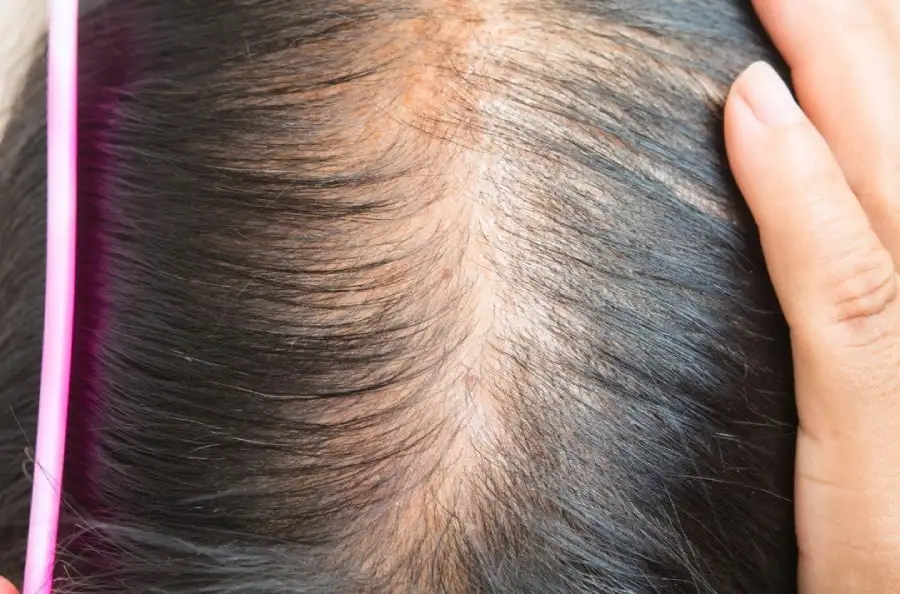
Ozempic has become one of the best-known medicines for diabetes and weight management. It can help people lose weight and improve blood sugar levels. But new research is raising questions about another possible side effect: hair loss.
A large 2026 study published in The BMJ found that people taking GLP-1 receptor agonists had a higher risk of developing alopecia, or hair loss, than people taking certain other diabetes medicines. The risk was 37% higher compared with SGLT-2 inhibitors and 68% higher compared with DPP-4 inhibitors.
However, there is an important detail: the study looked at GLP-1 drugs as a group, not Ozempic alone. The GLP-1 group included medicines such as semaglutide and tirzepatide. So the research does not mean that every person taking Ozempic has a 68% chance of losing their hair.
The good news is that the absolute risk was low, and the type of hair loss identified was mainly non-scarring hair loss, which means the hair follicles are not permanently destroyed and regrowth may be possible.
What Did the New Study Find?
Researchers from the University of Pennsylvania studied electronic health records of adults with type 2 diabetes.
They compared:
- 12,004 people starting GLP-1 receptor agonists with 15,221 people starting SGLT-2 inhibitors.
- 11,964 GLP-1 users with 11,238 people using DPP-4 inhibitors.
After adjusting for factors that could affect the results, GLP-1 users had a 37% higher risk of alopecia than SGLT-2 users and a 68% higher risk than DPP-4 users.
The researchers also found that the increased risk was mainly linked to non-scarring alopecia. This type of hair loss does not permanently destroy the hair follicles.
Importantly, the researchers said that the overall risk remained low. The study showed an association, but it did not prove that Ozempic directly causes hair loss.
Does Ozempic Specifically Cause Hair Loss?
Not necessarily.
Ozempic contains semaglutide, which belongs to the GLP-1 receptor agonist class. The 2026 BMJ study examined GLP-1 medicines together rather than testing Ozempic by itself.
That distinction matters.
A separate 2026 study looking specifically at semaglutide and tirzepatide found that new-onset hair loss occurred in both groups, with a rate of 3.33% among semaglutide users compared with 4.24% among tirzepatide users.
Another systematic review and meta-analysis published in 2026 also found an association between GLP-1 receptor agonists and hair loss. Across nine intervention studies involving 4,114 GLP-1 users, the pooled risk of hair loss was higher than with placebo, although the researchers said more research is needed.
So, the evidence is growing, but it is still too early to say that Ozempic itself directly causes hair loss in everyone who takes it.
Why Could Ozempic and Other GLP-1 Drugs Be Linked to Hair Loss?
Researchers are still studying the exact reason.
One possible explanation is rapid weight loss.
When the body loses weight quickly, it can experience physical stress. This may cause more hairs to enter the resting phase of the hair-growth cycle. Several weeks or months later, those hairs may shed.
This condition is often called telogen effluvium.
Rapid weight loss can also make it harder for some people to get enough calories, protein, iron, zinc and other nutrients. Nutritional shortages can affect normal hair growth.
Other factors may also play a role. Researchers have suggested that hormonal and metabolic changes could contribute, but the exact biological mechanism remains uncertain.
Is Hair Loss From Ozempic Permanent?
In many cases, hair shedding associated with weight loss is temporary.
The recent BMJ research found that the association was mainly with non-scarring alopecia. Because the hair follicles remain intact, this type of hair loss can potentially improve and allow hair to grow back.
However, recovery can take time. Hair grows slowly, so it may take several months before noticeable regrowth occurs.
If hair loss is severe, continues for a long time, or appears in unusual patterns, it is important to speak with a healthcare professional. Other causes of hair loss, such as thyroid problems, iron deficiency, hormonal changes or genetic hair loss, may also be involved.
What Can You Do If You Notice Hair Loss While Taking Ozempic?
Do not stop Ozempic or change your dose without speaking with your doctor.
Instead, consider these steps:
1. Talk to your doctor
Tell your healthcare provider when the hair shedding started and whether it began after a major change in your weight or medication dose.
2. Make sure you are eating enough protein
Protein is important for healthy hair growth. A very low-calorie diet may make it harder to get enough protein and other nutrients.
3. Avoid very rapid weight loss
Losing weight at a medically appropriate pace may reduce physical stress on the body. Your doctor or dietitian can help you choose a safe approach.
4. Check for nutritional problems if needed
If you have significant hair shedding, your healthcare provider may decide to check for problems such as iron deficiency or other nutritional issues.
5. Look for other causes
Hair loss is not always caused by medication. Stress, illness, thyroid disorders, hormonal changes, genetics and nutritional deficiencies can all contribute.
Should You Stop Taking Ozempic Because of Hair Loss?
For most people, hair loss alone should not be a reason to stop a prescribed medication without medical advice.
GLP-1 medicines can provide important benefits for people with type 2 diabetes and, depending on the specific medicine and indication, weight management. The new research suggests that hair loss is a possible concern, but the absolute risk appears to be low.
Your doctor can help balance the benefits and possible side effects based on your individual situation.
Ozempic Hair Loss: What the 68% Number Really Means
The headline “Ozempic increases hair loss by 68%” needs some context.
The 68% figure comes from a comparison between GLP-1 receptor agonists and DPP-4 inhibitors in adults with type 2 diabetes. It does not mean that 68% of Ozempic users will lose their hair.
In fact, the researchers reported hair-loss rates of about 6.53 cases per 1,000 person-years among GLP-1 users compared with 3.89 per 1,000 person-years among DPP-4 inhibitor users in that comparison.
That is why it is important to distinguish between relative risk and absolute risk.
A percentage increase can sound large, while the actual number of people affected remains relatively small.
What Does the Research Mean for People Taking Semaglutide?
The evidence now suggests that hair loss may be an uncommon but real concern with GLP-1 medicines, including semaglutide.
Earlier research had already raised questions about semaglutide and hair loss. A 2025 study found a higher rate of hair loss among women using semaglutide compared with a different weight-loss medication, although the researchers said more studies were needed to confirm the association.
Newer studies provide additional evidence that the issue deserves attention, but they also show why the story is more complicated than simply saying “Ozempic causes baldness.”
Rapid weight loss, changes in nutrition and other health factors may all contribute.
Frequently Asked Questions
Can Ozempic cause hair loss?
Research suggests that GLP-1 medicines, including medicines containing semaglutide, may be associated with a higher risk of hair loss. However, current research does not prove that Ozempic directly causes hair loss in every user.
How common is hair loss with Ozempic?
The exact risk for Ozempic alone is not yet clear. Recent research on GLP-1 medicines found that the absolute risk of diagnosed hair loss was low.
Is Ozempic hair loss permanent?
Hair loss associated with rapid weight loss is often temporary. The recent BMJ study mainly found non-scarring alopecia, in which the hair follicles remain intact. However, individual outcomes can differ.
Does hair grow back after Ozempic?
It may. If shedding is related to temporary factors such as rapid weight loss or nutritional stress, hair can regrow after the underlying trigger improves. Hair growth is slow, so recovery may take months.
Should I stop Ozempic if my hair starts falling out?
Do not stop or change your medication on your own. Talk with your doctor first. They can assess whether the medication, weight loss or another condition may be responsible.
The Bottom Line
New research has strengthened concerns about GLP-1 drugs and hair loss, but the headline number needs context.
The latest BMJ study found a 37% higher risk of alopecia compared with SGLT-2 inhibitors and a 68% higher risk compared with DPP-4 inhibitors among adults with type 2 diabetes taking GLP-1 receptor agonists.
But this does not mean that 68% of Ozempic users will lose their hair. The absolute risk was low, and the study included GLP-1 medicines as a group rather than testing Ozempic alone.
For people taking Ozempic or another GLP-1 medicine, sudden or noticeable hair shedding is worth discussing with a healthcare professional. In many cases, the hair loss may be related to rapid weight loss or changes in nutrition and may be temporary.
Medical disclaimer: This article is for general information only and is not a substitute for medical advice. If you are taking Ozempic or another prescription medicine, speak with your healthcare professional before changing or stopping treatment.