
22 Children Die of Chandipura Virus in Gujarat: Symptoms, Causes & Prevention
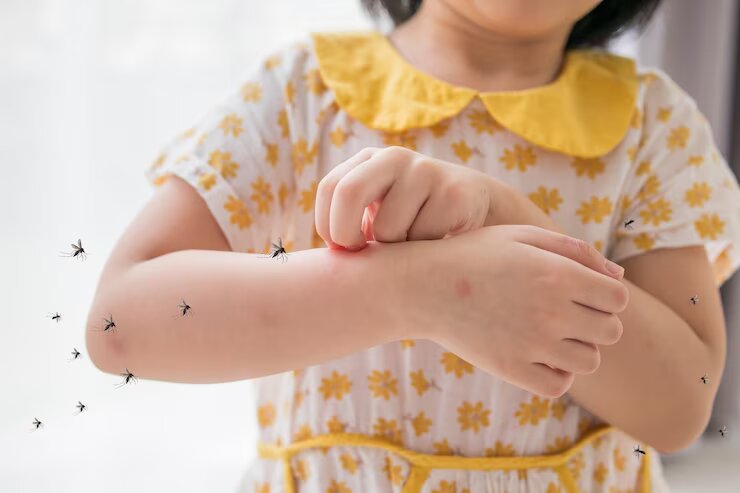
A serious outbreak of Chandipura virus (CHPV) has raised concerns in Gujarat. According to health officials, 22 children have died due to Chandipura virus infection, while seven children are still receiving treatment in hospitals. Most of the affected children are below the age of 15 years.
Health authorities are closely monitoring the situation and have increased surveillance in affected areas to prevent the spread of the disease.
What Is Chandipura Virus?
Chandipura virus (CHPV) is a rare virus that mainly affects children. It belongs to the Rhabdoviridae family. The virus was first identified in Chandipura village in Maharashtra, India, in 1965.
The virus can cause Acute Encephalitis Syndrome (AES), a serious condition that leads to swelling of the brain. Without quick medical treatment, the illness can become life-threatening.
How Does Chandipura Virus Spread?
Experts believe the virus spreads through the bite of infected insects such as:
- Sandflies
- Mosquitoes
- Ticks (in some cases)
The virus does not usually spread from one person to another. However, controlling insects is important to reduce the risk of infection.
Symptoms of Chandipura Virus
Symptoms usually appear within a few days after infection and may include:
- High fever
- Severe headache
- Vomiting
- Body weakness
- Convulsions (fits)
- Confusion or unconsciousness
- Irritability
- Difficulty speaking or walking
The disease can worsen very quickly, so early medical attention is essential.
Why Are Children More at Risk?
Most Chandipura virus cases are reported in children because:
- Their immune systems are still developing.
- They spend more time playing outdoors where insects are present.
- They may not recognize symptoms early enough to seek help.
Is There Any Treatment?
Currently, there is no specific antiviral medicine or vaccine for Chandipura virus.
Doctors provide supportive treatment, which may include:
- Hospital admission
- IV fluids
- Medicines to control fever
- Treatment for seizures
- Oxygen support if needed
Early diagnosis and timely medical care can improve the chances of recovery.
How to Prevent Chandipura Virus
You can reduce the risk of infection by following these simple steps:
- Use mosquito and insect repellents.
- Sleep under mosquito nets.
- Wear full-sleeved clothes, especially in the evening.
- Keep your surroundings clean.
- Remove stagnant water near your home.
- Avoid areas with heavy insect activity.
- Take children to a doctor immediately if they develop high fever or seizures.
What Are Health Authorities Doing?
Health officials in Gujarat have started several measures to control the outbreak, including:
- Monitoring suspected cases
- Increasing testing
- Conducting insect control programs
- Creating public awareness
- Providing medical care in affected districts
People living in affected areas are advised to remain alert and follow health department guidelines.
When Should You See a Doctor?
Seek immediate medical care if a child has:
- High fever that starts suddenly
- Continuous vomiting
- Fits or seizures
- Extreme sleepiness
- Confusion
- Loss of consciousness
Quick treatment may help prevent serious complications.
Frequently Asked Questions (FAQs)
Is Chandipura virus contagious?
Current evidence suggests it mainly spreads through infected insects rather than from person to person.
Who is most affected?
Children under 15 years of age are at the highest risk.
Is there a vaccine?
No. There is currently no approved vaccine for Chandipura virus.
Can adults get Chandipura virus?
Yes, but most reported severe cases have occurred in children.
How can families protect children?
Use insect repellents, mosquito nets, clean surroundings, and seek medical care immediately if symptoms appear.
Conclusion
The recent Chandipura virus outbreak in Gujarat is a reminder of the importance of early diagnosis and insect control. With 22 reported child deaths and seven children still under treatment, parents should stay alert for symptoms such as high fever, vomiting, and seizures. Although there is no specific treatment, early hospital care can save lives. Following preventive measures and seeking immediate medical attention are the best ways to protect children from this serious infection.