
5 Simple Home Remedies for Instant Varicose Vein Relief
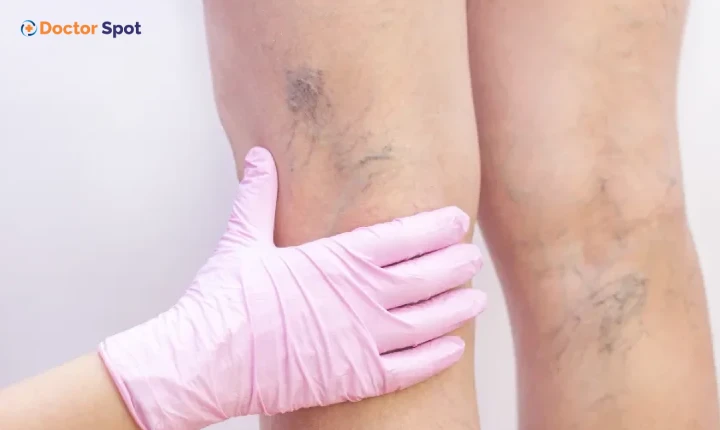
If you notice swollen, twisted veins on your legs or feel a heavy, aching sensation after a long day, you are not alone. Varicose veins affect millions of people. While severe cases require medical treatment, several quick, low-effort home remedies can help reduce swelling, ease pain, and improve your blood circulation right away.
Here are 3 quick and easy home remedies you can try today to get relief.
1. Elevate Your Legs (The 15-Minute Reset)
Gravity is often the biggest enemy of healthy blood flow in your legs. When you stand or sit for long periods, blood pools in the veins of your lower body, causing them to stretch and ache.
How to do it:
Prop your legs up on a stack of pillows or rest them straight up against a wall.
Keep your feet elevated above the level of your heart.
Hold this position for 15 to 20 minutes, 3 to 4 times a day.
Why it works:
Elevating your legs uses gravity to your advantage. It helps drained blood travel back toward your heart easily, immediately reducing pressure, throbbing, and swelling in your lower legs.
2. Soak in a Warm Epsom Salt Bath
An Epsom salt soak is one of the most relaxing ways to soothe aching legs and improve local blood flow.
How to do it:
Fill a basin or your bathtub with warm water.
Add 1 to 2 cups of Epsom salt and stir until dissolved.
Soak your feet and legs for 15 to 20 minutes.
Why it works:
Epsom salt is rich in magnesium, a mineral that acts as a natural muscle relaxant. Magnesium absorbed through the skin helps ease leg cramps, calms nerve pain, and supports better circulation.
Pro Tip: End your soak with a quick splash of cool water on your legs. The mild cold contrast helps shrink blood vessels and reduce swelling.
3. Do Quick “Ankle Pumps” and Calf Stretches
Movement is key to healthy veins. Your calf muscles act as a natural pump that squeezes blood back up toward your heart. When you stay still, that pump stops working.
How to do it:
Ankle Pumps: While sitting or lying down, point your toes straight out away from you, then pull them back toward your shins. Repeat this 20 to 30 times.
Calf Raises: Stand up straight, hold onto a chair for balance, and lift yourself onto your tiptoes. Lower back down slowly. Do 15 reps.
Why it works:
These quick movements activate your calf muscle pump. Even two minutes of simple leg exercises can flush trapped blood out of your lower legs and bring fast relief from heavy feelings or stiffness.
Simple Daily Tips to Prevent Vein Strain
Alongside these quick remedies, making a few small daily tweaks can protect your veins long-term:
Avoid sitting or standing still for more than 45 minutes at a time.
Wear compression stockings if you work on your feet all day.
Stay hydrated to keep blood flowing smoothly.
Reduce sodium intake to prevent fluid retention and swelling.
4. Gently Massage with Coconut or Olive Oil
A gentle leg massage can work wonders to stimulate circulation and push stagnant blood out of pooled veins.
How to do it:
Warm a small amount of coconut or olive oil between your hands.
Using long, gentle strokes, massage your legs starting from your ankles and moving upward toward your heart.
Apply light-to-moderate pressure for 5 to 10 minutes.
Why it works:
Directional massage manually encourages trapped blood to flow upward back toward the heart. Warm oils nourish the skin and reduce friction, making the massage smoother and more soothing.
Caution: Never press hard directly on severe, bulging, or painful veins, as this can irritate them further. Always use smooth, upward-only strokes.
5. Sip on Flavonoid-Rich Drinks (Green Tea or Berry Smoothies)
Relief doesn’t just come from the outside—what you put into your body plays a huge role in vein health. Flavonoids are natural plant compounds that help strengthen blood vessels and improve blood flow.
How to do it:
Drink 1 to 2 cups of green tea daily, or enjoy a daily smoothie loaded with blueberries, blackberries, or cherries.
You can also add a dash of citrus (like lemon juice) to your water, as citrus fruits are rich in rutin, a powerful vascular flavonoid.
Why it works:
Flavonoids help relax arterial blood vessels, reduce chronic inflammation, and protect the lining of your veins. Stronger vein walls mean less leaking, swelling, and fluid retention in your legs.
When to See a Doctor
While home remedies offer great temporary relief, they are not a permanent cure for structural vein problems. You should consult a medical professional if you notice:
Severe, sudden pain or dark skin discoloration around your ankles.
Open sores (ulcers) near your veins.
Redness, warmth, or sudden severe swelling in one leg (which could signal a blood clot).