
Lenacapavir for HIV Prevention: Access Challenges Globally
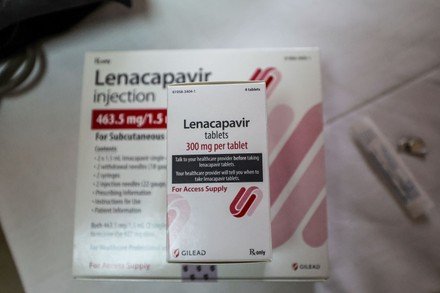
A new HIV prevention drug called lenacapavir is changing the way scientists think about HIV prevention. Unlike traditional PrEP pills that need to be taken regularly, injectable lenacapavir for HIV prevention is given twice a year.
The World Health Organization (WHO) recommends twice-yearly injectable lenacapavir as an additional option for HIV pre-exposure prophylaxis (PrEP). Clinical trial results showed very high effectiveness in preventing HIV acquisition.
However, an important challenge remains: How quickly can people around the world actually get access to lenacapavir?
Access depends on several factors, including regulatory approvals, manufacturing capacity, pricing, healthcare infrastructure, HIV testing and the availability of affordable generic versions.
What Is Lenacapavir?
Lenacapavir is an antiretroviral medicine that targets the HIV capsid, a protein structure that plays an important role in the virus’s life cycle.
For HIV prevention, lenacapavir is used as long-acting injectable PrEP. Instead of taking a prevention pill every day, eligible people receive an injection approximately every six months.
WHO describes lenacapavir as the first twice-yearly injectable PrEP option.
Why Is Twice-Yearly PrEP Important?
Daily medication can be difficult for some people because of:
- Forgetting doses
- Stigma around HIV prevention
- Concerns about privacy
- Difficulty visiting healthcare facilities regularly
- Problems maintaining a daily medication routine
A twice-yearly injection could reduce some of these barriers.
How Effective Is Lenacapavir for HIV Prevention?
The PURPOSE clinical trials provided strong evidence for injectable lenacapavir as HIV PrEP. WHO said the 2024 PURPOSE 1 and PURPOSE 2 results demonstrated high efficacy across diverse populations and settings.
This does not mean lenacapavir is a cure for HIV. It is a prevention medicine for people who do not have HIV but may be at risk of acquiring it.
People considering PrEP should first receive appropriate HIV testing and medical guidance.
Lenacapavir Has Regulatory Approval for HIV Prevention
The U.S. Food and Drug Administration approved injectable lenacapavir for HIV prevention in June 2025. WHO welcomed the approval and noted that it could help expand HIV prevention choices.
WHO subsequently issued guidelines recommending twice-yearly injectable lenacapavir as an additional HIV prevention option.
However, approval in one country does not automatically make a medicine available worldwide.
Each country may need to:
- Review the medicine through its regulatory system.
- Decide whether to include it in national HIV prevention programs.
- Establish procurement and supply systems.
- Train healthcare workers.
- Develop systems for HIV testing and follow-up.
- Secure sustainable funding.
Why Is Lenacapavir Facing Global Access Challenges?
1. Regulatory Approval Takes Time
Countries have different regulatory systems.
Even after approval by a major regulatory authority, other countries may need to conduct their own regulatory reviews or use international regulatory pathways.
WHO has been working to support countries with guidance and regulatory processes for lenacapavir.
2. Manufacturing and Supply Are Major Issues
Lenacapavir is a complex injectable medicine. Producing enough doses for millions of people requires manufacturing capacity, quality control and reliable distribution.
In September 2026, the Global Fund said additional generic supplies of lenacapavir were expected to become available in the coming months and that countries were preparing for a significant expansion in access.
This could help address supply limitations as more manufacturers enter the market.
3. Affordability Matters
A highly effective medicine has limited public-health impact if people and healthcare systems cannot afford it.
Generic manufacturing is therefore an important part of the global access strategy.
Gilead has entered voluntary licensing agreements with six manufacturers covering 120 primarily low- and lower-middle-income countries. The agreements are intended to support production of generic lenacapavir for HIV prevention.
The Global Fund has also been working with manufacturers and countries to prepare for expanded access to generic lenacapavir.
4. Healthcare Infrastructure Is Needed
An injectable prevention medicine requires more than simply producing the drug.
Healthcare systems need:
- Trained healthcare workers
- HIV testing
- Injection services
- Reliable medicine storage
- Supply-chain management
- Follow-up appointments
- Systems to identify HIV infection promptly
WHO recommends rapid HIV testing approaches for people starting or continuing long-acting injectable PrEP. The goal is to prevent complicated testing requirements from becoming another barrier to access.
5. Country-Level Funding Decisions
Governments and international health organizations must decide how to fund and introduce lenacapavir alongside existing HIV prevention methods.
In July 2025, the Global Fund announced an agreement with Gilead to procure lenacapavir for low- and middle-income countries.
The Global Fund and Gilead later announced plans to make enough product available to support prevention for up to two million people over three years in countries supported by the Global Fund.
Generic Lenacapavir Could Improve Access
Generic medicines can increase competition and potentially reduce costs.
This is particularly important for countries with limited healthcare budgets and high HIV burdens.
In September 2026, the Global Fund reported that generic lenacapavir supply was approaching and said a larger supplier base could improve access, supply resilience and the ability to reach more people.
The availability of quality-assured generic products will therefore be an important factor in expanding lenacapavir globally.
What Does WHO Recommend?
WHO recommends offering injectable lenacapavir twice a year as an additional HIV prevention choice within combination HIV prevention programs.
WHO also recommends practical HIV testing approaches for people using long-acting injectable PrEP.
Lenacapavir does not replace all other HIV prevention methods. People may have different preferences and medical needs, so prevention choices can include oral PrEP, injectable options and other prevention strategies.
Is Lenacapavir a Cure for HIV?
No.
Lenacapavir used as PrEP is intended to prevent HIV infection in people who do not have HIV.
It should not be confused with treatment of established HIV infection. People living with HIV need an appropriate antiretroviral treatment regimen prescribed and monitored by healthcare professionals.
Can Lenacapavir Replace Daily PrEP?
Not necessarily.
Lenacapavir provides another prevention choice rather than making all other PrEP options unnecessary.
Some people may prefer injections, while others may prefer oral PrEP or another method.
WHO emphasizes expanding prevention choices so people can use methods that fit their needs and circumstances.
What Could Improve Global Access?
Several developments could make wider access possible:
- Faster regulatory approvals
- Increased manufacturing capacity
- Affordable generic versions
- International procurement agreements
- Stronger healthcare systems
- Simplified HIV testing
- Community-based PrEP services
- Government funding
- Education to reduce HIV-related stigma
The combination of these measures is important because drug availability alone does not guarantee that people can receive it.
Lenacapavir Access: The Bigger Picture
Lenacapavir represents an important development in HIV prevention because it offers protection through only two injections per year.
But the global HIV response depends on more than scientific innovation. Medicines must be affordable, approved, manufactured in sufficient quantities and delivered through accessible healthcare services.
Recent efforts by WHO, the Global Fund, Gilead and generic manufacturers are focused on expanding access, particularly in countries with high HIV burdens and limited resources.
Frequently Asked Questions
What is lenacapavir used for?
Lenacapavir can be used as a long-acting injectable PrEP option to help prevent HIV acquisition in people who do not have HIV.
How often is lenacapavir given for HIV prevention?
For HIV prevention, the recommended injectable formulation is administered twice a year, or approximately every six months.
Is lenacapavir effective against HIV?
Clinical trials have demonstrated very high efficacy for HIV prevention, and WHO recommends it as an additional PrEP option.
Why isn’t lenacapavir available everywhere?
Availability depends on regulatory approval, manufacturing capacity, procurement, funding, healthcare infrastructure and the availability of affordable products.
Will generic lenacapavir become available?
Generic production is being developed through voluntary licensing agreements. In September 2026, the Global Fund reported that additional generic supplies were expected in the coming months.
Does lenacapavir prevent other sexually transmitted infections?
No. HIV PrEP is specifically designed to prevent HIV. It does not provide protection against other sexually transmitted infections. Other appropriate prevention measures, including condoms and STI testing, may still be important.
Conclusion
Lenacapavir could significantly expand HIV prevention choices worldwide, especially for people who find daily PrEP difficult because of adherence, stigma or other barriers.
The major challenge now is turning scientific progress into wide, affordable and sustainable access. Regulatory approvals, generic manufacturing, funding, HIV testing and strong healthcare systems will all play a role.
As generic supplies increase and countries develop their HIV prevention programs, access to twice-yearly lenacapavir may expand further.
Important: Lenacapavir for HIV prevention should be used under appropriate medical guidance and after HIV testing. It does not treat established HIV infection.