
Sarsaparilla: Health Benefits, Risks, and Side Effects
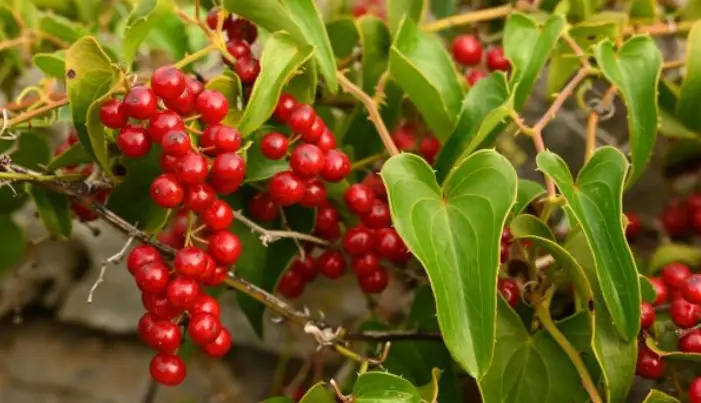
Sarsaparilla is a herbal product made from the roots of plants belonging to the Smilax genus. It has a long history of traditional use and is available as tea, powder, capsules, extracts, and other preparations.
People use sarsaparilla for several reasons, including skin health, joint discomfort, inflammation, and general wellness. However, strong human evidence supporting most of these health claims is limited. Much of the research on sarsaparilla has been conducted in laboratories or animals rather than in large human clinical trials.
This article explains sarsaparilla benefits, possible side effects, risks, uses, precautions, and what current evidence says.
What Is Sarsaparilla?
Sarsaparilla refers to several species of plants in the Smilax genus. The roots and rhizomes are commonly used in traditional herbal preparations.
Different products may contain different Smilax species, so the name “sarsaparilla” does not always refer to exactly the same plant. For example, Smilax glabra is sometimes called Chinese sarsaparilla or China root, while other Smilax species are traditionally known as sarsaparilla.
Sarsaparilla is available in forms such as:
- Sarsaparilla tea
- Dried root
- Root powder
- Capsules
- Tablets
- Liquid extracts
- Tinctures
- Herbal preparations
It is also used as a flavoring ingredient in some foods and beverages.
Sarsaparilla Health Benefits
Sarsaparilla has been traditionally used for different health purposes. Some laboratory and animal studies have identified potentially active plant compounds, but this does not mean the same benefits have been proven in humans.
1. May Have Antioxidant Properties
Some compounds found in Smilax species have demonstrated antioxidant activity in laboratory research.
Antioxidants can help protect cells from oxidative stress. However, laboratory findings cannot establish that drinking sarsaparilla tea or taking a supplement will provide a clinically meaningful antioxidant benefit in humans.
2. May Have Anti-Inflammatory Effects
Sarsaparilla is traditionally used for inflammatory conditions and joint complaints.
Research involving certain Smilax species has found anti-inflammatory activity in laboratory and animal studies. However, reliable human clinical evidence remains limited.
Therefore, sarsaparilla should not be considered a proven treatment for arthritis or other inflammatory diseases.
3. Traditionally Used for Skin Problems
Sarsaparilla has a long history of traditional use for skin conditions such as psoriasis and other skin complaints.
Some laboratory research has investigated compounds from Smilax plants for their biological effects. However, there is not enough high-quality human evidence to confirm that sarsaparilla can treat psoriasis, eczema, or other skin diseases.
If you have a persistent rash, itching, sores, or changing skin lesion, it is better to identify the underlying cause rather than relying on an herbal supplement.
4. May Have Antimicrobial Activity
Laboratory studies of certain Smilax species have reported antimicrobial or antiviral activity.
However, these findings come mainly from laboratory research. They do not establish that sarsaparilla can treat an infection in people.
Sarsaparilla should therefore not replace antibiotics, antiviral medicines, or other prescribed treatments.
5. Traditionally Used for Joint Discomfort
Sarsaparilla has traditionally been used for joint problems and arthritis.
Although animal and laboratory studies have investigated anti-inflammatory effects, human clinical studies are insufficient to determine whether sarsaparilla effectively treats arthritis or chronic joint pain.
Sarsaparilla and “Blood Purification”
Sarsaparilla has historically been marketed as a “blood purifier” or detoxifying herb.
However, there is not strong clinical evidence showing that sarsaparilla cleanses or detoxifies human blood.
Your liver and kidneys naturally perform important functions involved in processing and eliminating substances from the body. Using an herbal supplement for “detox” should not replace medical care or a balanced diet.
Does Sarsaparilla Increase Testosterone?
Sarsaparilla is sometimes promoted in bodybuilding and men’s health products as a natural testosterone booster.
There is no good evidence that sarsaparilla increases testosterone levels in humans.
Some plant compounds can be chemically used as starting materials for steroid synthesis in laboratories, but that does not mean consuming sarsaparilla causes the human body to produce anabolic steroids or testosterone.
Therefore, claims that sarsaparilla is a natural steroid or reliable testosterone booster should be treated cautiously.
Sarsaparilla Side Effects
The safety information for medicinal doses of sarsaparilla is limited.
Possible side effects may include:
- Stomach irritation
- Nausea
- Digestive discomfort
- Increased urination
- Allergic reactions
- Breathing symptoms from exposure to plant dust in sensitive people
GI irritation and increased diuresis have been reported, although clinical safety data are limited.
The risk may also depend on the species, preparation, dose, duration of use, and other ingredients in the product.
Sarsaparilla Risks and Precautions
Pregnancy and Breastfeeding
There is not enough reliable safety information to establish that medicinal doses of sarsaparilla are safe during pregnancy or breastfeeding.
For this reason, people who are pregnant or breastfeeding should avoid medicinal or concentrated sarsaparilla products unless specifically advised by a healthcare professional.
Drug Interactions
Herbal supplements can interact with prescription medicines.
Some sources report potential interactions involving medicines such as lithium and digoxin, while laboratory research has also raised questions about effects on certain drug-metabolizing enzymes. The clinical importance of some of these interactions is uncertain.
If you regularly take prescription medicines, ask your doctor or pharmacist before starting a concentrated sarsaparilla supplement.
Kidney Problems
Because some sarsaparilla preparations may have diuretic effects, people with kidney disease or those taking medicines that affect fluid or electrolyte balance should be particularly cautious.
Do not use sarsaparilla as a treatment for kidney disease without medical advice.
Product Quality
Herbal supplements can vary in strength and composition. Different products may contain different Smilax species, extracts, concentrations or additional ingredients.
Check the product label carefully and choose products from reputable manufacturers.
Sarsaparilla vs Indian Sarsaparilla
One important point is that sarsaparilla and Indian sarsaparilla are not necessarily the same plant.
Indian sarsaparilla commonly refers to Hemidesmus indicus, while many products called sarsaparilla are derived from plants in the Smilax genus.
Because plant names can be confusing, checking the scientific name on the product label is useful.
How Is Sarsaparilla Used?
Sarsaparilla may be found as:
- Herbal tea
- Root powder
- Capsules
- Tablets
- Liquid extract
- Tincture
There is no well-established evidence-based standard dose for treating a medical condition, because clinical trials are limited.
For this reason, it is better not to choose a high dose based only on information found online.
Who Should Avoid Sarsaparilla?
Talk to a doctor or pharmacist before using medicinal sarsaparilla if you:
- Are pregnant or breastfeeding
- Take prescription medicines
- Have kidney disease
- Have heart disease
- Take lithium
- Take digoxin
- Have unexplained symptoms
- Are planning to use a concentrated extract or high-dose supplement
Children should not be given concentrated herbal supplements unless recommended by an appropriate healthcare professional.
Is Sarsaparilla Safe?
Sarsaparilla used as a food flavoring is different from taking a concentrated medicinal supplement.
For supplement doses, human safety information is limited. Current evidence does not establish sarsaparilla as a proven treatment for a particular disease, and the safety of long-term high-dose use is not well established.
“Natural” does not automatically mean “safe.”
Frequently Asked Questions About Sarsaparilla
What are the main health benefits of sarsaparilla?
Sarsaparilla is traditionally used for skin problems, joint discomfort, inflammation and general wellness. However, strong human evidence supporting these benefits is limited.
Does sarsaparilla detox the body?
There is no strong clinical evidence that sarsaparilla detoxifies or purifies the blood.
Does sarsaparilla increase testosterone?
There is no reliable human evidence showing that sarsaparilla significantly increases testosterone.
Can sarsaparilla treat arthritis?
It has traditional use for joint problems, and laboratory and animal studies have investigated anti-inflammatory effects. However, human clinical evidence is insufficient to confirm that it treats arthritis.
Can sarsaparilla treat psoriasis?
Sarsaparilla has traditionally been used for psoriasis, but there is not enough high-quality clinical evidence to establish it as an effective psoriasis treatment.
What are the side effects of sarsaparilla?
Possible problems include stomach irritation, nausea, increased urination and allergic reactions. However, safety information at supplement doses is limited.
Is sarsaparilla safe during pregnancy?
Safety during pregnancy has not been adequately established. Medicinal use should be avoided unless specifically recommended by a healthcare professional.
Can sarsaparilla interact with medicines?
Potential interactions have been reported, including concerns involving lithium and digoxin. People taking medicines should check with a doctor or pharmacist before using sarsaparilla supplements.
Final Takeaway
Sarsaparilla is a traditional herbal product made from the roots of various Smilax species. It has been used historically for skin problems, joint complaints, inflammation and other health conditions.
Research has identified potentially useful biological effects in laboratory and animal studies, but most claimed health benefits have not been firmly established in human clinical trials.
Sarsaparilla may cause side effects and may interact with certain medicines. Pregnant or breastfeeding people and anyone taking regular medication should seek professional advice before using concentrated sarsaparilla products.
Most importantly, sarsaparilla should not replace proven medical treatment for an infection, arthritis, psoriasis, kidney disease, cancer or any other medical condition.
Medical disclaimer: This article is for general educational purposes and does not replace professional medical advice, diagnosis or treatment. Always speak with a qualified healthcare professional before starting a new herbal supplement, especially if you take prescription medicines or have an existing medical condition.