
Safe Teeth Whitening Tips at Home: Tips That Actually Work
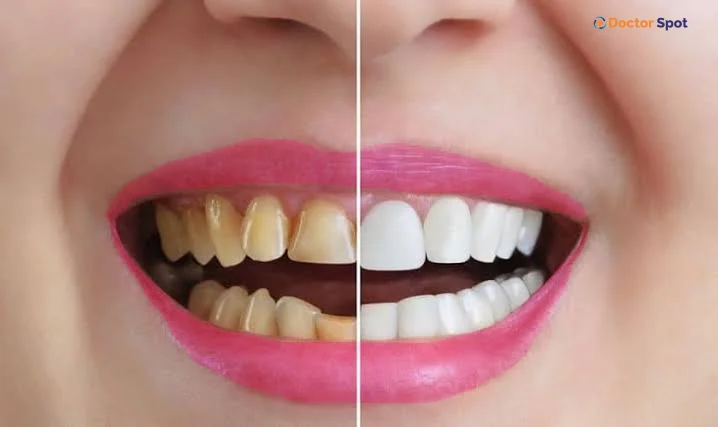
A bright, clean smile can make you feel more confident. But over time, teeth can become yellow or stained because of coffee, tea, smoking, certain foods, poor oral hygiene, or simply getting older.
The good news is that some safe teeth whitening methods can be done at home. However, not every home remedy is safe or effective. Some popular methods can damage tooth enamel and make your teeth more sensitive.
In this guide, we explain safe teeth whitening tips at home, what actually works, what to avoid, and when you should see a dentist.
What Causes Yellow or Stained Teeth?
Before trying to whiten your teeth, it helps to understand why they look yellow.
Common causes include:
- Coffee and tea
- Red wine
- Tobacco and smoking
- Dark-colored foods and drinks
- Poor brushing and flossing
- Plaque and tartar buildup
- Natural aging
- Certain medications
- Tooth injuries
- Thinning tooth enamel
Not all yellow teeth are unhealthy. As people age, the outer enamel can become thinner, allowing the naturally yellowish dentin underneath to become more visible.
Can You Whiten Your Teeth Safely at Home?
Yes. Safe teeth whitening at home is possible, especially when you use products according to their instructions.
The safest options generally include:
- Whitening toothpaste
- Whitening strips
- Dentist-recommended whitening products
- Good brushing and flossing habits
- Reducing foods and drinks that cause stains
Home whitening usually works best on surface stains. It may not significantly change the natural color of teeth or remove deep stains caused by medication, injury, or changes inside the tooth.
1. Brush Your Teeth Twice a Day
One of the easiest ways to keep teeth looking brighter is regular brushing.
Brush your teeth twice a day for about two minutes using fluoride toothpaste and a soft-bristled toothbrush.
Proper brushing helps remove plaque and food particles that can make teeth look dull or yellow.
Brushing tips
- Use gentle, circular movements.
- Do not press too hard.
- Brush all tooth surfaces.
- Replace your toothbrush or toothbrush head regularly.
- Avoid immediately rinsing with large amounts of water after brushing if your toothpaste instructions recommend allowing fluoride to remain on the teeth.
Brushing cannot change your natural tooth color, but it can help prevent and remove some surface staining.
2. Try Whitening Toothpaste
Whitening toothpaste can be useful for removing surface stains.
Many whitening toothpastes contain mild polishing ingredients that help remove stains caused by coffee, tea, and other foods.
However, whitening toothpaste does not usually bleach the inside of the tooth. Therefore, the whitening effect may be limited.
Choose a reputable fluoride toothpaste and follow the instructions on the package.
If your teeth become sensitive or your gums become irritated, stop using the product and talk to your dentist.
3. Consider Whitening Strips
Whitening strips are another popular option for home teeth whitening.
They usually contain a peroxide-based whitening ingredient that can lighten tooth color when used correctly.
For safer use:
- Follow the manufacturer’s instructions.
- Do not leave strips on longer than recommended.
- Do not use them more frequently than instructed.
- Avoid using several whitening products at the same time.
- Stop if you experience significant pain or gum irritation.
Whitening strips can be effective, but results vary from person to person.
4. Use Dentist-Recommended Whitening Products
If you want stronger whitening results at home, ask your dentist about a professional take-home whitening system.
A dentist can check your teeth and gums before recommending whitening. Some take-home systems use custom trays and professional-strength whitening gel.
This can be a better option if you have sensitive teeth, existing dental work, or concerns about your oral health.
5. Floss Every Day
Flossing does not bleach your teeth, but it can make your smile look cleaner.
Food and plaque can collect between teeth where a toothbrush cannot reach. Regular flossing helps remove this buildup and supports healthy gums.
You can use traditional dental floss, floss picks, or another interdental cleaning method recommended by your dentist.
6. Limit Coffee and Tea
Coffee and tea are common causes of tooth staining.
You do not necessarily have to stop drinking them completely. Instead, consider reducing how often you drink them.
After drinking staining beverages, rinse your mouth with water.
Avoid brushing immediately after acidic drinks. Acid can temporarily soften enamel, and brushing right away may contribute to enamel wear.
7. Drink More Water
Water is good for your teeth and can help wash away food particles and staining substances.
Drinking water after meals or beverages can reduce the amount of residue left on your teeth.
Water is also a better everyday drink choice than sugary soft drinks.
8. Eat Tooth-Friendly Foods
A balanced diet supports healthy teeth and gums.
Foods such as vegetables, fruits, dairy products, eggs, nuts, and other nutritious foods can be part of a healthy diet.
Crunchy fruits and vegetables may help mechanically clean the mouth to some extent, but they do not replace brushing and flossing.
9. Stop Smoking and Tobacco Use
Smoking and tobacco products can cause stubborn yellow or brown stains on teeth.
Tobacco can also increase the risk of gum disease, bad breath, tooth loss, and oral cancer.
Stopping tobacco use is one of the best things you can do for your oral health as well as your overall health.
10. Maintain Regular Dental Cleanings
Sometimes teeth look yellow because of plaque and tartar rather than their natural color.
Tartar cannot be safely removed at home with ordinary brushing. A dental professional can remove hardened deposits during a professional cleaning.
Regular dental checkups can also identify cavities, gum disease, cracked teeth, and other problems that should be treated before whitening.
What About Natural Teeth Whitening Remedies?
The internet is full of natural teeth whitening remedies. Some may sound harmless, but natural does not always mean safe.
Be careful with DIY methods involving strong acids, abrasive powders, or household chemicals.
Lemon or lemon juice
Lemon is acidic. Frequently applying lemon juice to teeth can damage enamel.
Avoid using lemon juice as a teeth whitening treatment.
Baking soda
Baking soda can have stain-removing properties and is found in some commercial toothpastes.
However, rubbing plain baking soda aggressively against teeth or using it excessively may contribute to enamel wear.
If you want to use a baking-soda toothpaste, a commercially formulated dental product is generally a better choice than aggressive DIY scrubbing.
Hydrogen peroxide
Hydrogen peroxide is used in many professional and over-the-counter whitening products.
However, using concentrated or improperly prepared hydrogen peroxide at home can irritate the gums and mouth.
Do not use household hydrogen peroxide as a DIY whitening treatment unless a dental professional specifically advises you how to use an appropriate product.
Activated charcoal
Activated charcoal products are marketed as natural teeth whiteners.
Evidence that charcoal provides meaningful whitening benefits is limited, and abrasive products may potentially wear enamel.
Do not assume that black toothpaste is safer or more effective simply because it is marketed as natural.
Home Teeth Whitening Methods to Avoid
Some viral whitening hacks can do more harm than good.
Avoid:
- Lemon juice on teeth
- Vinegar on teeth
- Scrubbing teeth with abrasive powders
- Using household bleach
- Concentrated hydrogen peroxide
- Excessive charcoal products
- Scraping tartar with sharp objects
- Leaving whitening products on for longer than recommended
Damaged enamel cannot simply grow back. Once enamel is significantly worn away, the underlying dentin may become more visible and teeth can actually appear more yellow.
How Long Does It Take to Whiten Teeth at Home?
The time depends on the whitening method and the type of staining.
Some over-the-counter products may produce noticeable changes after several uses, while others may require a few weeks.
Professional take-home whitening systems can also vary in treatment time.
Always follow the specific product instructions instead of trying to speed up the process by using more product or leaving it on longer.
More whitening does not always mean better whitening.
Can Teeth Whitening Damage Your Teeth?
When appropriate products are used correctly, teeth whitening is generally considered safe for many people.
However, temporary side effects can occur.
The most common include:
- Tooth sensitivity
- Gum irritation
- Mouth irritation
- Temporary discomfort
Using whitening products too often or incorrectly can increase the risk of irritation and sensitivity.
If you experience severe or persistent pain, stop whitening and speak with a dentist.
What If You Have Sensitive Teeth?
If you already have sensitive teeth, whitening may make sensitivity worse.
Before starting a whitening treatment:
- Talk to your dentist.
- Look for products designed for sensitive teeth.
- Follow the recommended treatment time.
- Do not use multiple whitening products together.
- Stop treatment if sensitivity becomes severe.
A dentist can also determine whether your sensitivity is caused by cavities, gum recession, worn enamel, or another dental problem.
Can Whitening Remove All Types of Stains?
No.
Whitening products generally work better on extrinsic stains, which are stains on the outside of the teeth.
Some internal discoloration may not respond well to ordinary whitening.
For example, discoloration caused by:
- Certain medications
- Tooth trauma
- Fluorosis
- Aging
- Dead or damaged tooth tissue
may require professional dental treatment.
Dental crowns, veneers, fillings, and other restorations may also not whiten in the same way as natural teeth.
When Should You See a Dentist Before Whitening?
It is a good idea to have a dental examination before whitening if you have:
- Tooth pain
- Bleeding gums
- Cavities
- Cracked teeth
- Severe sensitivity
- Gum disease
- Significant tooth discoloration
- Dental crowns or veneers
- Large fillings on visible teeth
Whitening a tooth with untreated dental problems may cause discomfort and will not fix the underlying problem.
Safe Teeth Whitening Routine at Home
A simple routine can help keep your smile clean and bright.
Morning
- Brush for two minutes with fluoride toothpaste.
- Clean between your teeth.
- Drink water instead of sugary drinks when possible.
During the day
- Drink water after coffee, tea, or meals.
- Limit tobacco and staining drinks.
- Avoid frequently sipping acidic drinks.
Night
- Brush your teeth for two minutes.
- Clean between your teeth.
- Use whitening products only according to their instructions.
Regularly
- Have dental checkups.
- Get professional cleaning when recommended.
- Replace your toothbrush regularly.
Teeth Whitening: What Actually Works?
Here is a quick comparison:
| Method | Can Help With Surface Stains? | Main Concern |
|---|---|---|
| Whitening toothpaste | Yes | Limited whitening |
| Whitening strips | Yes | Sensitivity or gum irritation |
| Dentist take-home whitening | Yes | Should be used as directed |
| Brushing | Yes | Does not bleach teeth |
| Flossing | Helps cleanliness | Does not bleach teeth |
| Lemon juice | Not recommended | Acid can damage enamel |
| Vinegar | Not recommended | Acid can damage enamel |
| Household bleach | No | Dangerous and unsafe |
| Excessive charcoal | Uncertain | Abrasion may damage enamel |
7 Simple Tips for a Whiter Smile
If you want a brighter smile without damaging your teeth, remember these tips:
- Brush twice a day.
- Clean between your teeth every day.
- Use fluoride toothpaste.
- Choose reputable whitening products.
- Follow whitening instructions carefully.
- Limit smoking, tobacco, coffee, and tea.
- Visit your dentist regularly.
Frequently Asked Questions About Teeth Whitening
What is the safest way to whiten teeth at home?
For many people, using a reputable whitening toothpaste or an over-the-counter whitening product exactly as directed is a reasonable option. Dentist-supervised take-home whitening can provide a more personalized approach.
How can I whiten my teeth naturally?
Good oral hygiene, reducing staining foods and drinks, drinking water, and avoiding tobacco can help maintain a cleaner-looking smile. Be cautious with DIY acidic or abrasive whitening remedies.
Does baking soda whiten teeth?
Baking soda can help remove some surface stains and is included in some toothpastes. However, excessive or aggressive use may damage enamel.
Does lemon whiten teeth?
Lemon juice is not recommended for teeth whitening because its acidity can damage tooth enamel.
Can yellow teeth become white again?
Sometimes. Surface stains can often be reduced with cleaning and whitening treatments. However, the natural color of teeth varies, and some types of deep discoloration may require professional treatment.
How often can I whiten my teeth?
It depends on the product and concentration. Always follow the manufacturer’s instructions or your dentist’s recommendations. Using whitening products more frequently does not necessarily produce better results.
Is teeth whitening safe for everyone?
No. People with cavities, gum disease, significant sensitivity, damaged teeth, or certain dental restorations may need a dental examination before whitening.
Final Thoughts
Safe teeth whitening at home is possible when you use proven products correctly and avoid risky DIY remedies. Good brushing, daily interdental cleaning, reducing staining foods and drinks, and avoiding tobacco can help keep your smile looking brighter.
For stronger whitening, dentist-recommended home treatments can be a safer and more effective choice. If you have tooth pain, gum problems, severe sensitivity, or unusual discoloration, see a dentist before starting any whitening treatment.
A brighter smile is great—but healthy teeth and gums should always come first.